In this guide
Seoul is enormous, but the Seoul a visitor actually uses is smaller than it looks. The subway reaches almost everything, the signs are in English, and most neighborhoods are easy to walk once you arrive. This plan keeps each day in one part of the city: palaces and old lanes first, then markets and a hilltop view, then the younger streets of Hongdae and Seongsu. There is plenty of room to stop for coffee along the way.
Before you go: a few basics
- From the airport: the AREX airport railway has two services. The Express runs non-stop to Seoul Station; the All-stop train also stops at Hongik Univ. Station (Hongdae) and ends at Seoul Station.
- Transit card: a rechargeable card works on the subway and buses. Tap in and tap out. If you plan many rides, Seoul's short-term Climate Card (1, 2, 3, 5 or 7 days) covers the city's subway and buses but not AREX; check the official page for where it is valid.
- Directions: Naver Map or KakaoMap will show you the platform and the exit number. Exit numbers matter, because big stations can spread across several blocks.
- Help: the Korea Travel Helpline, 1330, is run by the Korea Tourism Organization and answers in English, Japanese, Chinese and other languages. From a foreign phone, dial +82-2-1330. In an emergency, call the police on 112.
- Timing: Gyeongbokgung closes on Tuesdays, so don't start this plan on one.
Day 1: Gyeongbokgung, Bukchon and Insadong
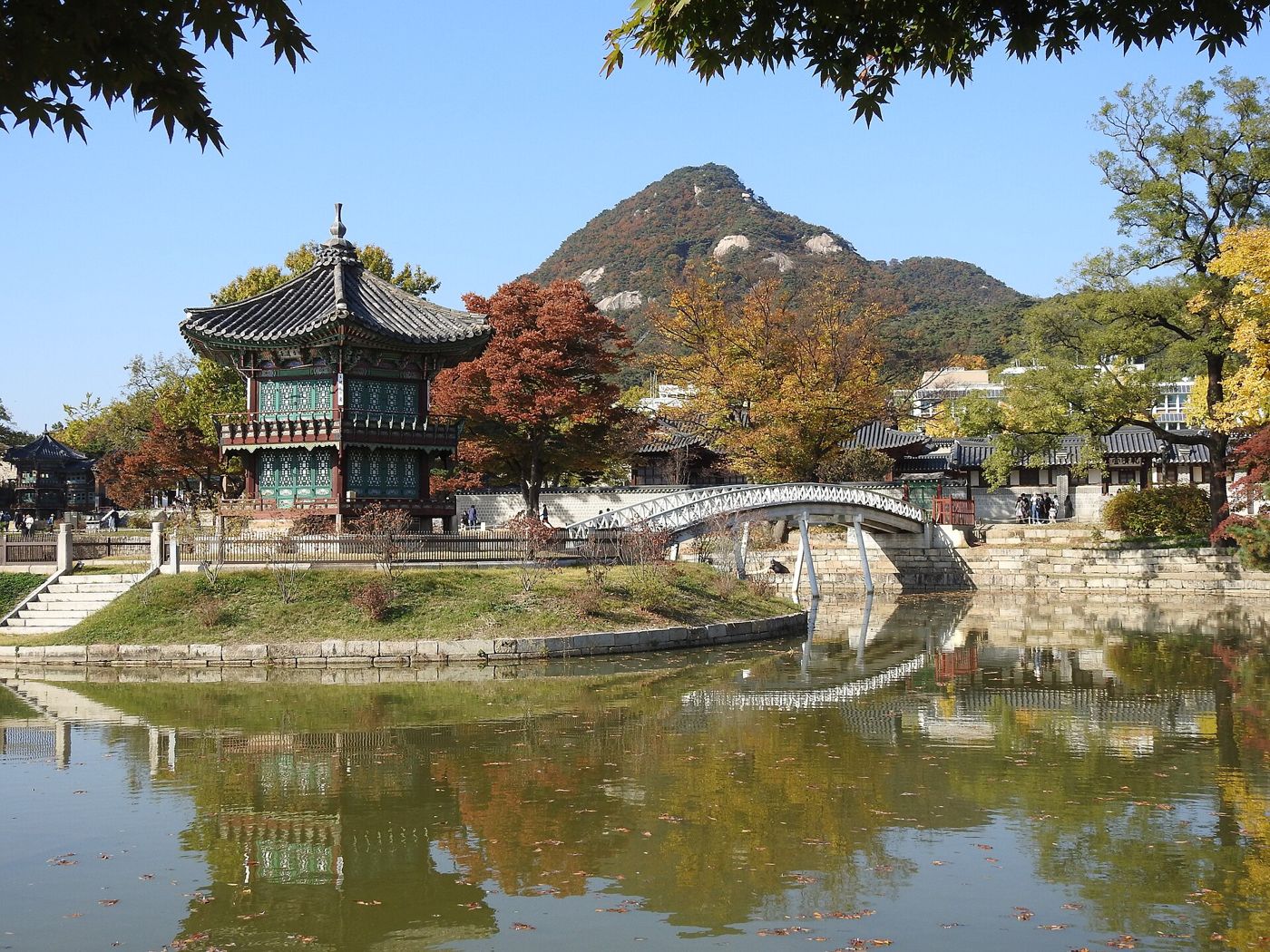
Begin at Gyeongbokgung Palace, close to Exit 5 of Gyeongbokgung Station (Line 3) or Exit 2 of Gwanghwamun Station (Line 5). It is closed on Tuesdays; if a Tuesday is a public holiday, the closure moves to the next working day. Go near opening time, when the courtyards are calmest. The changing of the guard takes place at the palace on open days, so check the times on the official palace site. Visitors in a full hanbok enter free, and the official site lists the details.
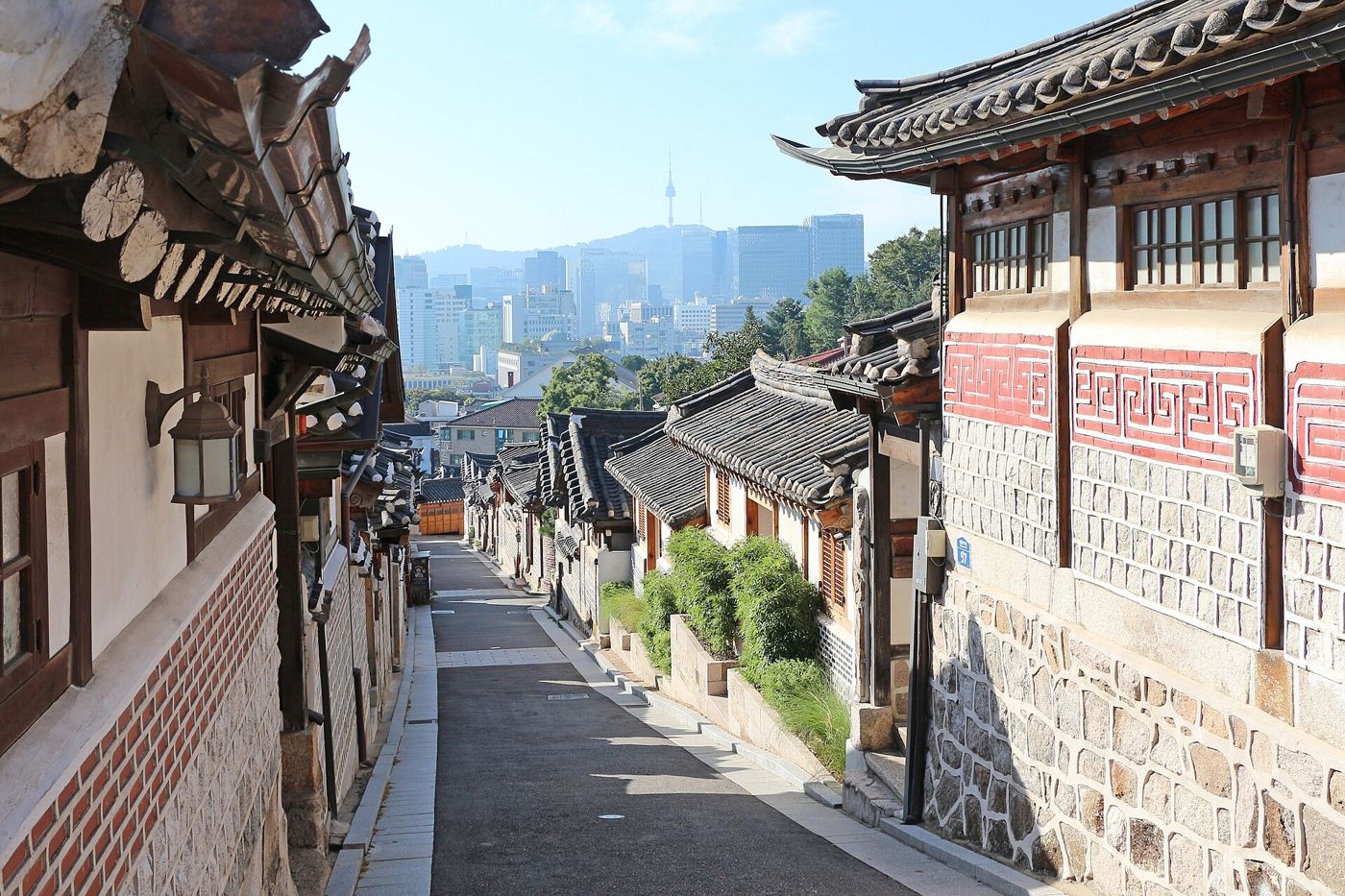
Walk or ride one stop east to Bukchon Hanok Village, starting from Exit 2 or 3 of Anguk Station (Line 3). These are real homes, so keep your voice down and don't step into doorways. On the main photo lane, Bukchon-ro 11-gil and the blocks around it, the district limits tourist visits to between 10:00 and 17:00 and can fine visitors outside those hours. It also asks people to leave the alleys in peace on Sundays. A midday visit after the palace fits neatly.
Finish in Insadong, a short walk south of Anguk Station, with its teahouses, paper and craft shops. Nothing here needs a plan; it is a good place to sit down for an hour and let the day settle.
Day 2: Namdaemun, Myeongdong and Namsan
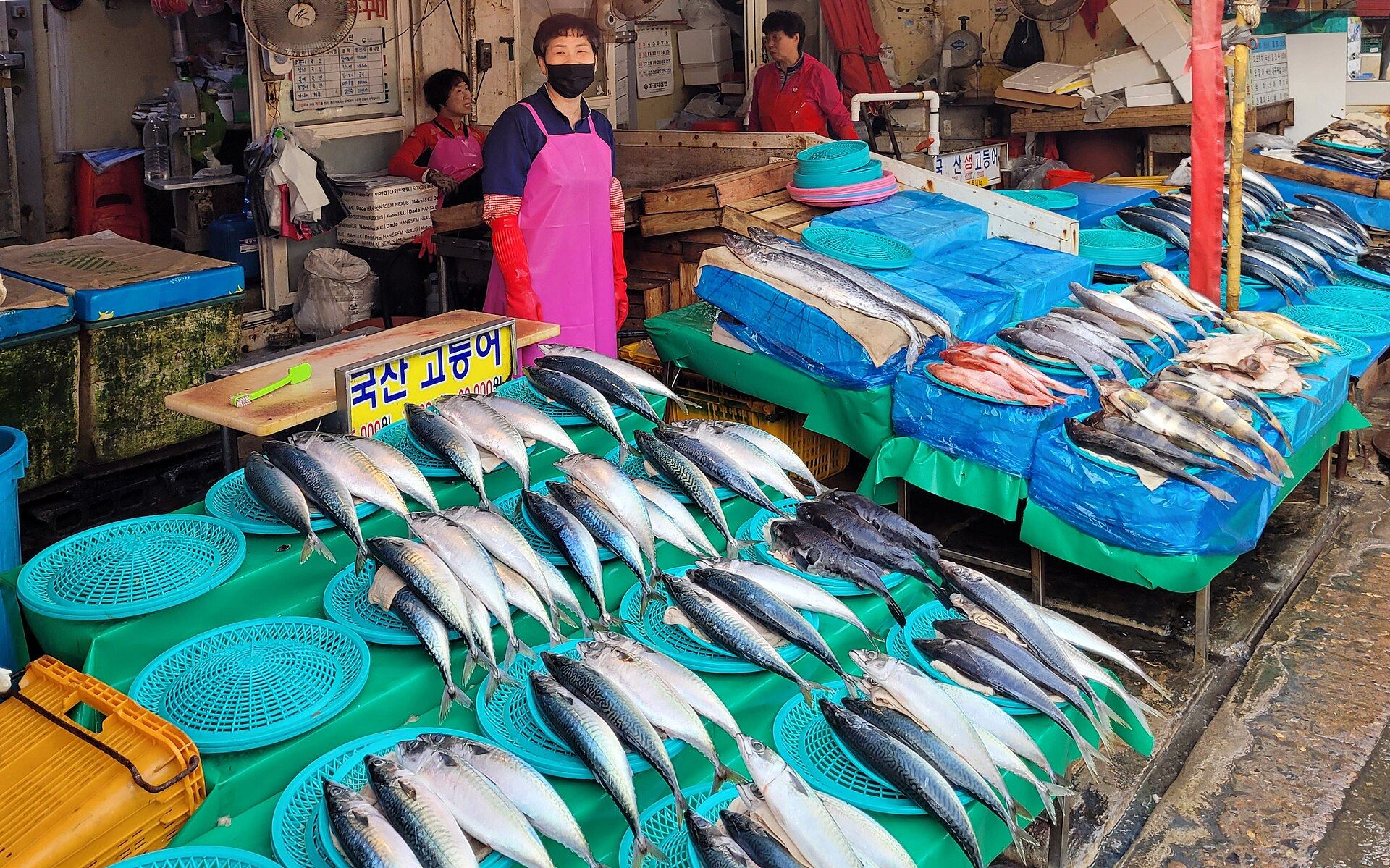
Start the morning at Namdaemun Market, a few minutes from Exit 5 of Hoehyeon Station (Line 4). It is a dense maze of small stalls selling clothes, kitchenware and food. Many stalls close on Sundays, so plan around that. One stop along Line 4 is Myeongdong, the busy shopping district for cosmetics and fashion. Food stalls fill the lanes as the day goes on; it gets crowded, so keep your bag closed and in front of you.
Late in the afternoon, head up Namsan. From Exit 3 of Myeongdong Station, walk 10 to 15 minutes along the street beside the Pacific Hotel to the Namsan Cable Car, which takes you up toward N Seoul Tower. Private cars can't drive up, but shuttle buses 01A and 01B go to the top. Go up in daylight and stay until the city lights come on. Strong wind or heavy rain can affect the service, so check before you set out. After dark, use the cable car or the shuttle back down rather than the forest paths on your own.
Day 3: Hongdae and Seongsu
Take Line 2 to Hongik Univ. Station. Exit 3 leads to the Yeonnam-dong section of Gyeongui Line Forest Park, a green walking path built on old railway tracks, with cafés and small shops on both sides. Hongdae itself, the student and music district around the university, is quiet in the morning and lively late at night, so the morning suits a slow walk and the evening suits people-watching.
After lunch, get back on Line 2 and ride across the city to Seongsu Station; there is no need to change trains. Seongsu is an old factory district where brick workshops have become cafés, galleries and shops. Yeonmujang-gil, the main café street, runs from Ttukseom Station past Seongsu Station, and the handmade shoe street is nearby. When you want trees instead of coffee, Seoul Forest is at the west end of the area, beside Seoul Forest Station on the Suin-Bundang Line.
If you have more days
The KTX makes the rest of Korea easy. Gyeongju, the old Silla capital, is about 2 hours 10 minutes from Seoul Station; see our Gyeongju day trip guide. Further on, Busan gives you beaches and harbors, and our three-day Busan itinerary picks up from there.
Solo tips for women
- The subway stops running around midnight. Check the last train in your map app before a late dinner; if you miss it, the Kakao T app can call a taxi.
- Stations can be several levels deep, and elevators are not always at the exit you want. Look for the elevator symbol on the station map if you have luggage.
- Eating alone is ordinary at noodle shops, cafés and lunch sets. Some barbecue restaurants ask for two portions at a minimum, so ask first.
- Three days of walking catches up with you. Keep one evening free for your hotel room; see our notes on resting well on a Korea trip.