In this guide
Busan is a long, thin city strung along the coast, and where you sleep shapes your days more than in most places. The three areas most visitors choose are Haeundae, Gwangalli and Seomyeon. All three are on subway Line 2 (Seomyeon is on Line 1 as well), and in all three you can walk out of your hotel to dinner. Beyond that, they feel quite different.
Haeundae: the beach and the big hotels
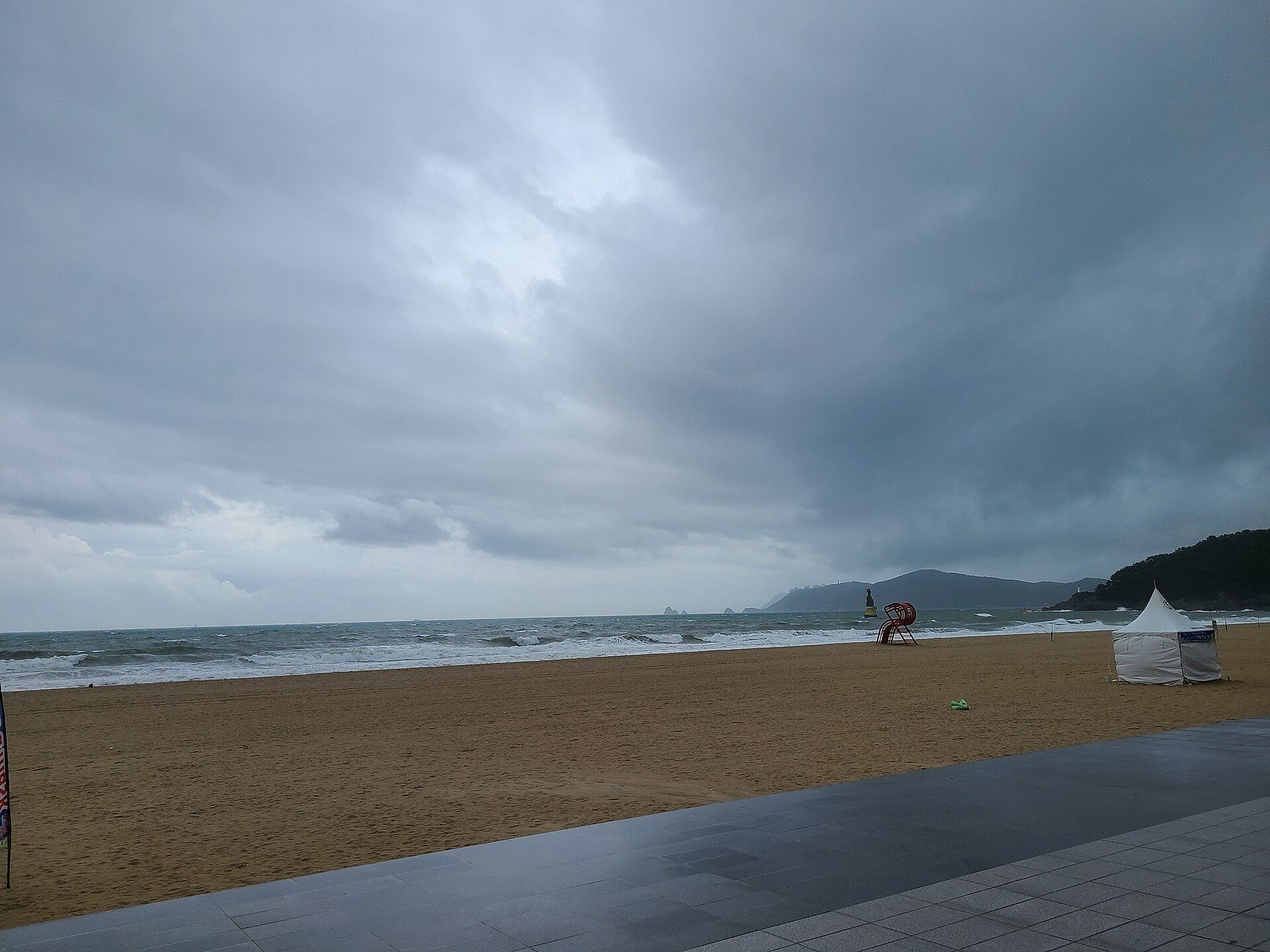
Haeundae is the famous one: a wide beach, a long promenade, and most of the city's large international hotels and resorts within a few minutes of the sand. The streets behind the beach are full of restaurants, a traditional market and convenience stores; Dongbaekseom's walking path is at the west end, and the Blueline Park coastal train starts at the east end. Centum City's department stores and the Busan Cinema Center are two subway stops away.
The trade-off is distance. Haeundae sits at the eastern end of the city, so the old center (Jagalchi, Nampo-dong, Gamcheon) is a long subway ride, and Busan Station is not much closer. It is also the busiest area in summer. Choose Haeundae if a beach outside the door and a full-service hotel matter most to you, or if you are traveling in the cooler months when the crowds thin.
Gwangalli: the bridge view and a neighborhood feel
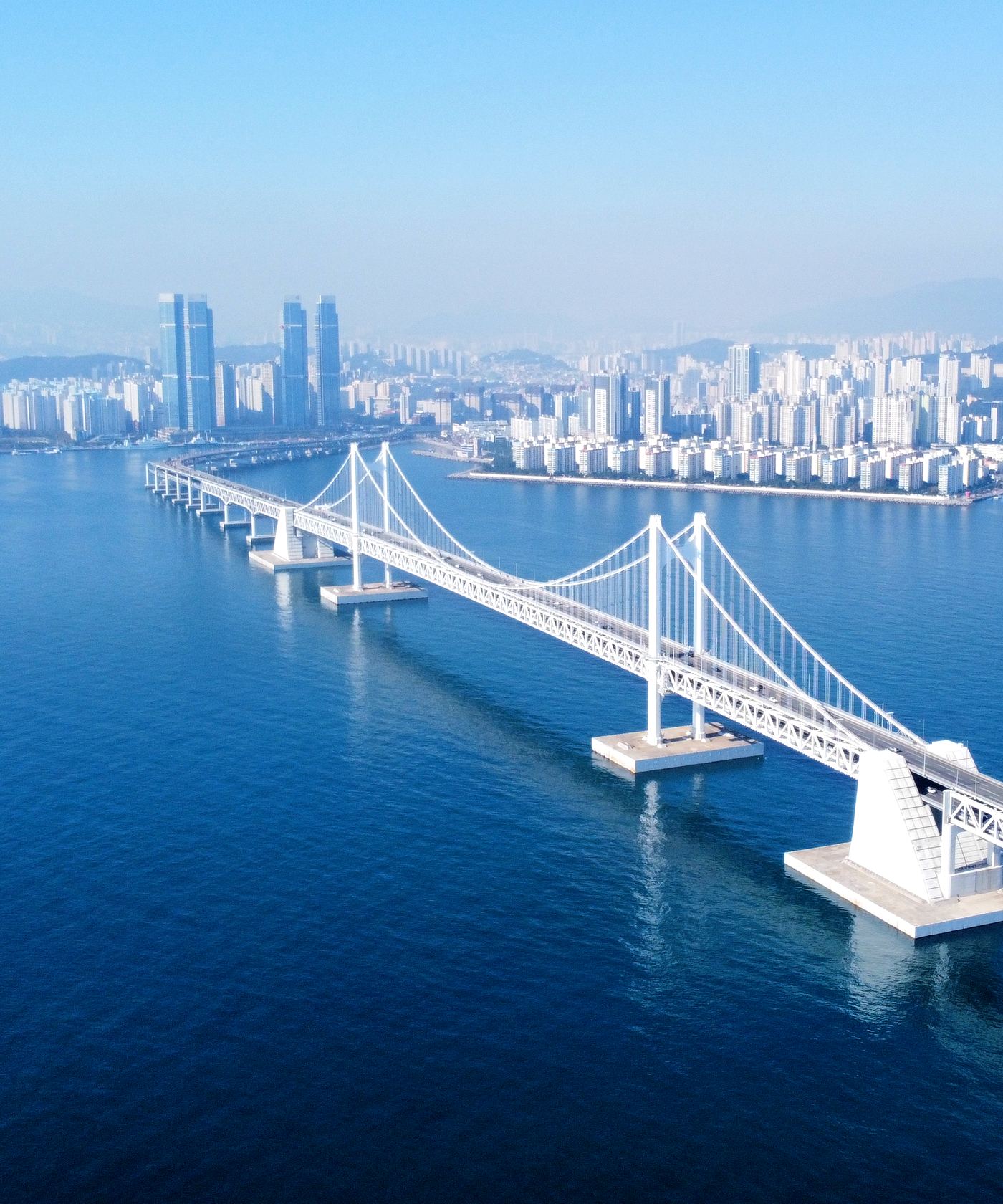
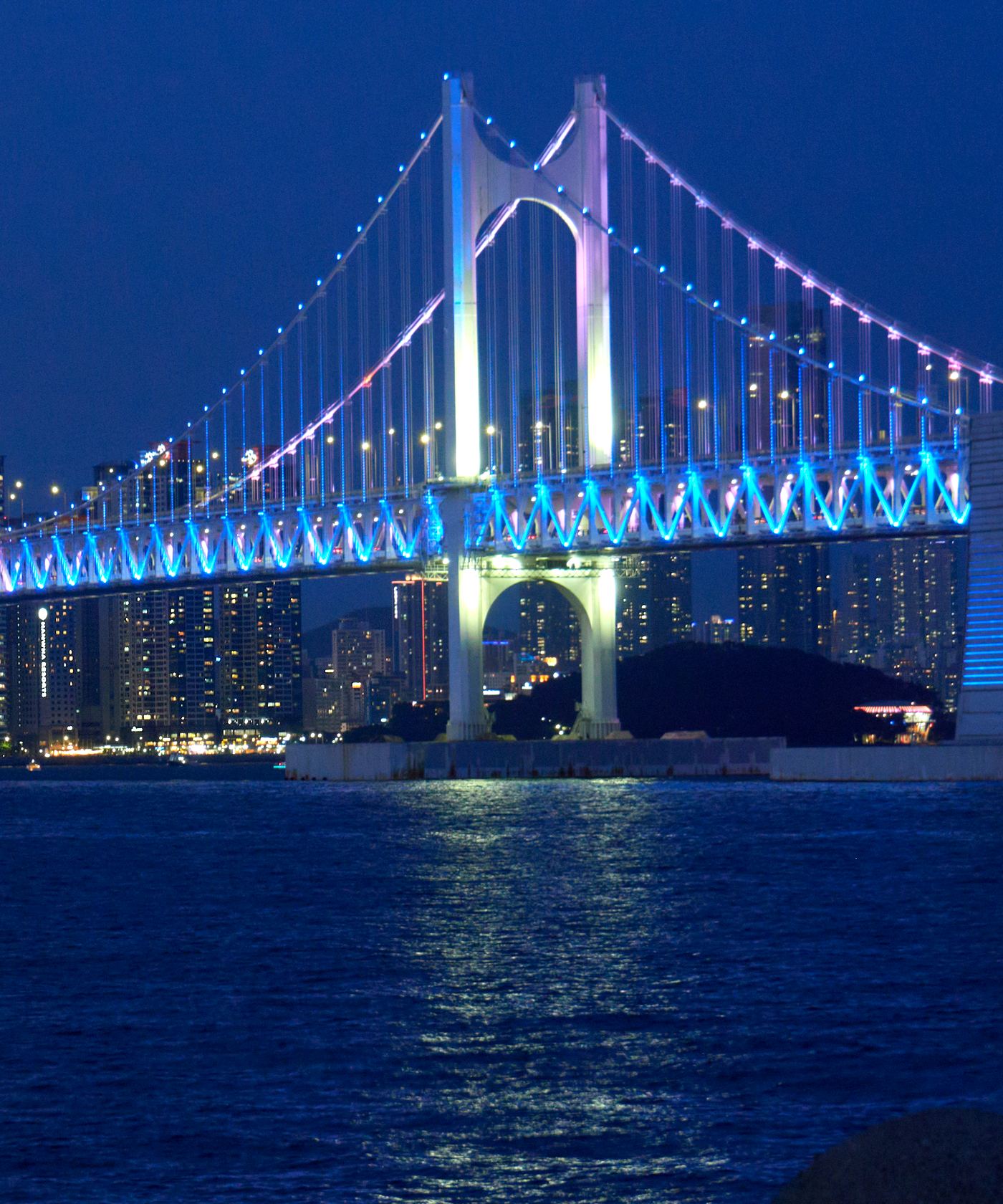
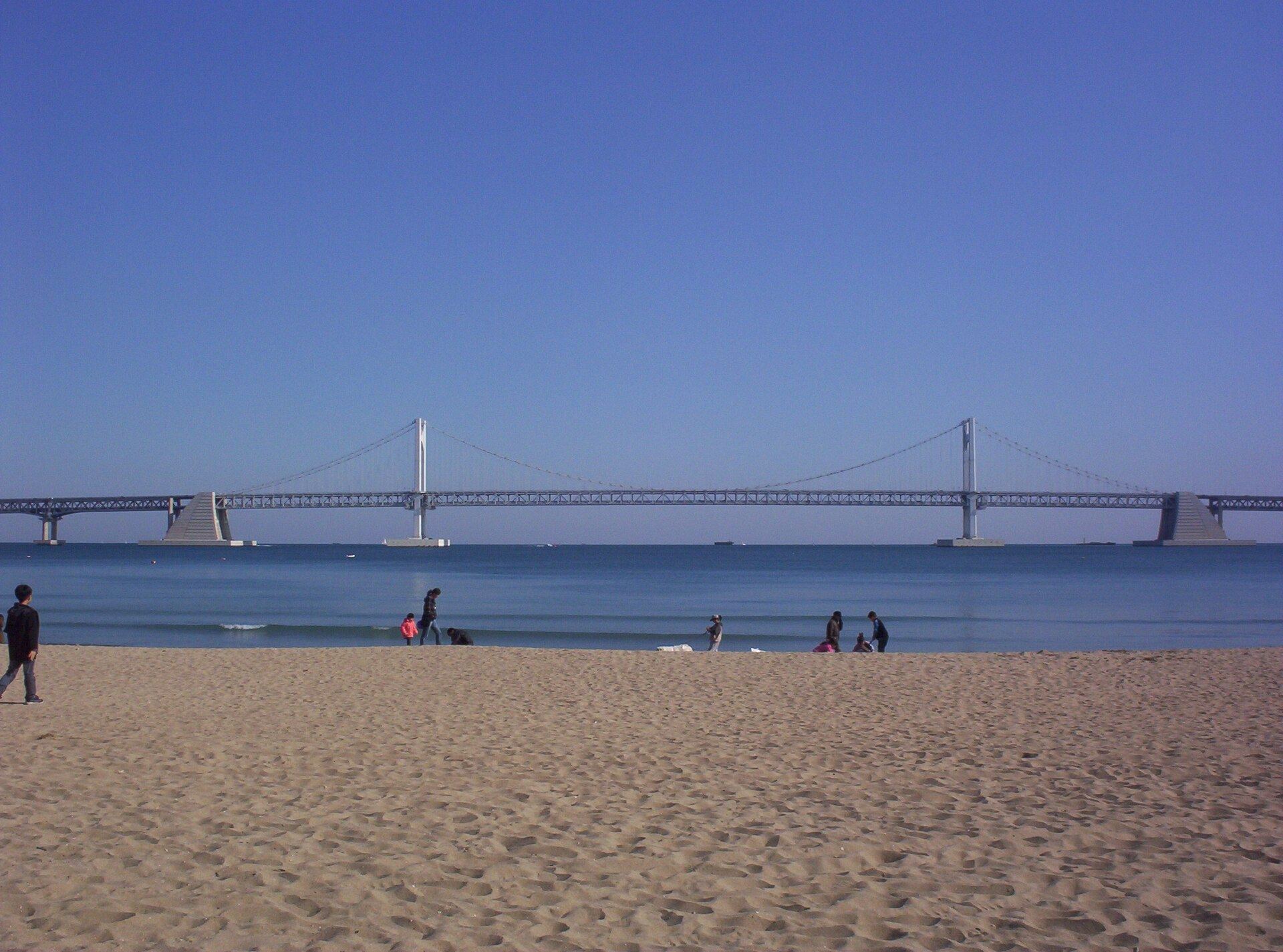
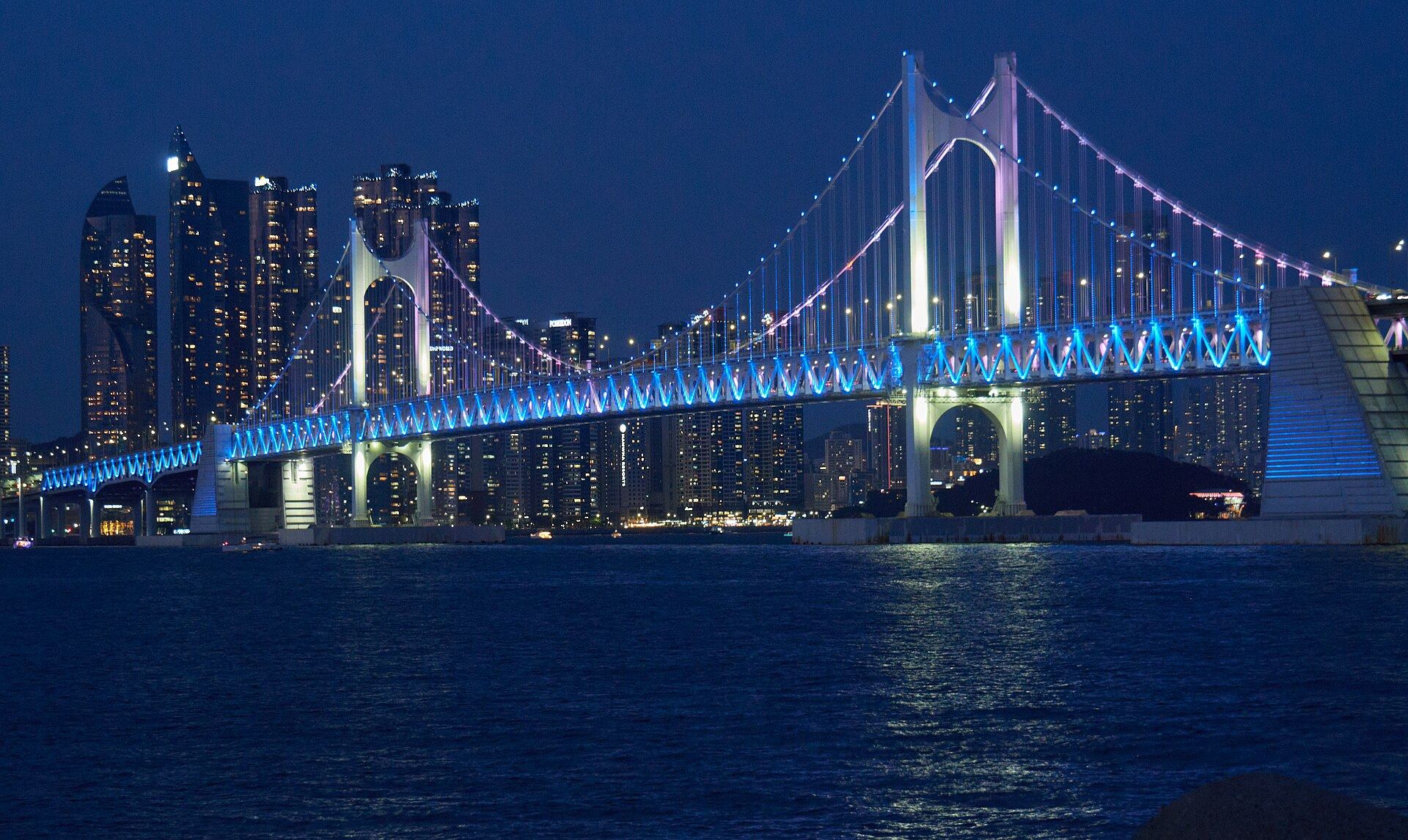
Gwangalli is a smaller beach one bay to the west, facing the Gwangan Bridge, which is lit after dark. Hotels here are mostly mid-sized, and many rooms face the water; cafés and restaurants run the length of the beach road, and the streets behind feel like a lived-in neighborhood rather than a resort. Gwangan Station on Line 2 is about a ten-minute walk from the sand, and Haeundae is a few stops east.
Choose Gwangalli if you want the sea and the night view without the resort scale, and don't mind a short walk to the subway. It suits a woman traveling alone well: lively in the evening, calm by day, and easy to find your way around. There is more in our guide to the bridge at night.
Seomyeon: the crossroads
Seomyeon has no beach; what it has is everything else. Lines 1 and 2 cross here, so almost every sight is a direct ride away: Busan Station and Nampo-dong on Line 1, Gwangalli, Haeundae and Centum City on Line 2. The area is dense with restaurants, bars, shops and a long underground arcade, and the Jeonpo café streets are a short walk away. Hotels are mostly business-style and generally better value than at the beaches.
Choose Seomyeon if you plan to move around the whole city, are only in town for a night or two, or would rather spend less on the room and more on the trip. It is also where TODAK's private studio is, near Jungang-daero.
Other areas in brief
- Nampo-dong and Jagalchi: the old harbor district, good for markets and for the ferry terminal; quieter at night.
- Busan Station: convenient for the KTX in and out, with Chinatown and Choryang nearby, but not a destination in itself.
- Centum City and Marine City: modern towers between Haeundae and Gwangalli, quiet at street level in the evening.
Getting in
- From Gimhae Airport: the light rail connects to Sasang Station on Line 2, which runs directly to Seomyeon, Gwangan and Haeundae. Airport limousine buses also run toward the Haeundae area; check current routes.
- From Seoul by KTX: you arrive at Busan Station on Line 1. Seomyeon is a few stops north; for the beaches, change at Seomyeon to Line 2.
- Taxis from the airport or the station are straightforward and metered; the Kakao T app helps if you don't speak Korean.
Questions to ask yourself
- Beach outside the door, or a central base? Haeundae or Gwangalli for the first, Seomyeon for the second.
- How many days? With three or more, a beach base is easy to justify; with one or two, Seomyeon saves time.
- Evening habits? Gwangalli for a seaside walk after dinner, Seomyeon for streets that stay busy late, Haeundae for a hotel with a bar and a view.
- Whichever you choose, our three-day itinerary works from any of the three.