In this guide
Most people walk far more on a Korea trip than they do at home. Busan adds hills and stairs on top: Gamcheon's lanes, the climb to Yongdusan, the steps at Haedong Yonggungsa, subway stations several levels deep. By the third day, tired legs and sore feet catch up with almost everyone. None of this needs special equipment; it needs a little planning. Here is what helps.
Pace the days
- Alternate. Follow a heavy walking day (Gamcheon and Nampo-dong, say) with a lighter one: a beach morning, a museum, a café afternoon.
- Group by area. Keep each day in one part of the city so you are not crossing Busan twice; our three-day itinerary is built that way.
- Stop before you have to. Twenty minutes sitting down with a drink in the middle of the afternoon does more for the evening than pushing through.
- Use the escalators and elevators in subway stations; most have them, though sometimes at a different exit from the one you planned.
Shoes and feet
- Bring shoes you have already walked in for a full day. Korea is not the place to break in a new pair.
- Cushioned socks help on stone and concrete. Pack a spare pair for long days; changing socks at lunch is a small, real relief.
- Blister plasters are sold at pharmacies (look for the sign 약국) and many convenience stores. Put one on at the first rub, not after.
- Back in the room, take your shoes off straight away, sit with your feet up on a pillow for a few minutes and let them cool down.
Water, food and heat
- Carry a bottle; convenience stores are on every block and water is cheap. Busan summers are humid, and it is easy to drink less than you need while sightseeing.
- Eat regularly. Korean meals come with side dishes and soup, which makes a sit-down lunch an easy way to refuel; street food is fun, but don't make it the whole day's diet.
- In summer, do the hills and beaches early or late and keep the middle of the day for museums, department stores and cafés; see our rainy-day list for indoor ideas.
Warm water and bathhouses
A warm bath or shower before bed is the simplest comfort there is, and Korea makes it easy: many hotel rooms have deep tubs, and the jjimjilbang (bathhouse) is a national institution. Spa Land in Centum City and Hurshimchung in Dongnae are the best known in Busan. Bathing sections are separated by sex, the warm rooms are shared, and there are places to lie down and rest. Check hours and rules on the official page before you go.
Sleep
- Time zones: if you have flown far, get outside in daylight on your first morning and keep to local mealtimes; it is the most reliable way to settle in.
- Rooms: Korean hotel rooms are often kept warm. Find the thermostat or the floor-heating control (ondol) early, and ask the front desk if you can't work it out.
- Noise and light: city hotels in Seomyeon and Haeundae can be lively at night. Earplugs and an eye mask weigh nothing and turn a bad night into a good one.
- Caffeine: Korean café culture is wonderful, but an iced coffee at nine in the evening will keep you up. Switch to tea after dinner.
Build in real rest
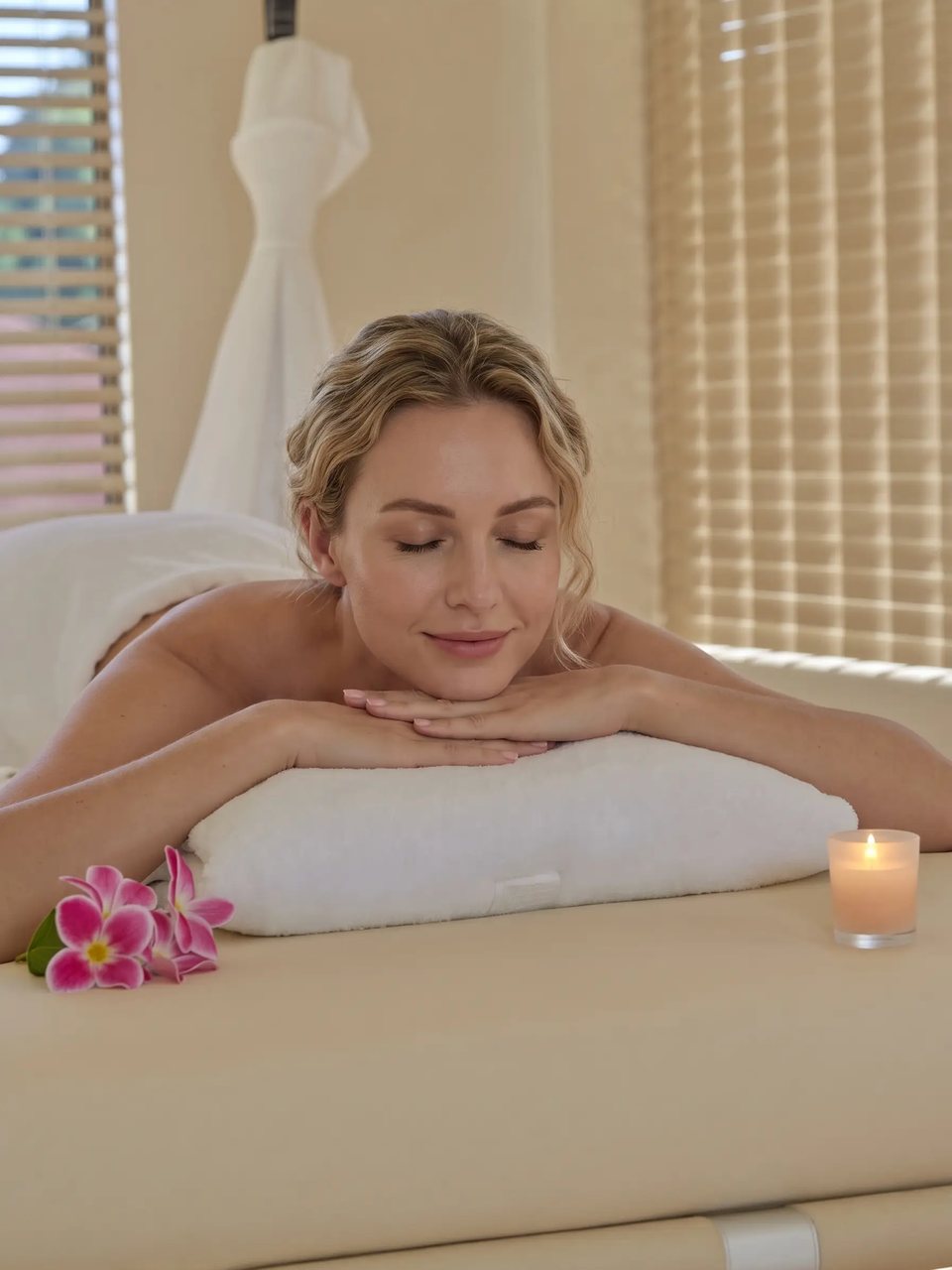
A good trip has at least one evening with nothing scheduled: an early dinner, a bath, and a long night's sleep. Some guests use that evening for body care in their room. That is what we do at TODAK: women-only aroma body care in your hotel room, by male therapists, with a private studio in Seomyeon for those who prefer to come to us. It is professional body care, not a treatment or a cure for anything; it is simply an hour of quiet, warm oil and steady pressure at the end of a long day on your feet. If that sounds like your kind of evening, send an inquiry before you fly. There is no deposit, and you pay in cash on the day.
A short checklist
- Broken-in shoes, cushioned socks, blister plasters
- A refillable bottle, and a light layer for the sea breeze after dark
- Earplugs and an eye mask
- One slow afternoon every second day, and one evening with nothing planned