In this guide
Gyeongju was the capital of the Silla kingdom for about a thousand years, and it still shows: grass-covered royal tombs rise beside the cafés, and a stone tower from the seventh century stands in an open field. The sights fall into two groups. The temples, Bulguksa and Seokguram, are in the hills outside town, while the tombs, Cheomseongdae and the palace pond sit close together in the old center, within walking distance. Plan around that split and the day becomes simple.
Getting there
- From Busan by KTX: about 30 minutes from Busan Station to Gyeongju Station, according to the city of Gyeongju.
- From Seoul by KTX: about 2 hours 10 minutes from Seoul Station. A day trip works, but it means more than four hours on trains, so the overnight plan below is kinder.
- By express bus: about 50 minutes from Busan Central Bus Terminal (Nopo Station, Busan Line 1), or about 3 hours 35 minutes from Seoul Express Bus Terminal, to Gyeongju Express Bus Terminal. The bus has one advantage: it arrives closer to the old center.
- About the station: Gyeongju Station is the stop older guides call Singyeongju. It stands well outside the center, so you need a local bus or a taxi from there. Book trains in advance through Korail, especially at weekends and on holidays.
The day trip: temples in the morning
Go to the temples first, because they are the far end of the day. From Gyeongju Station, bus 700 runs to the Bulguksa stop; from the bus terminals, take bus 10 or 11. The gate is about seven minutes' walk from the stop. Bulguksa is a UNESCO World Heritage Site, known for its stone bridges and its two stone pagodas in the main courtyard. Allow time to walk slowly, because the grounds are large.
From the Bulguksa area, bus 12 climbs to the Seokguram parking lot, and the ticket gate is a few minutes' walk from the stop. A forest path then leads to the grotto, which holds a large stone Buddha. To protect it, visitors see the statue through glass, and photos aren't allowed inside. Bus 12 runs only a limited number of times a day, so note the return time when you arrive.
The afternoon: tombs, cafés and an old tower
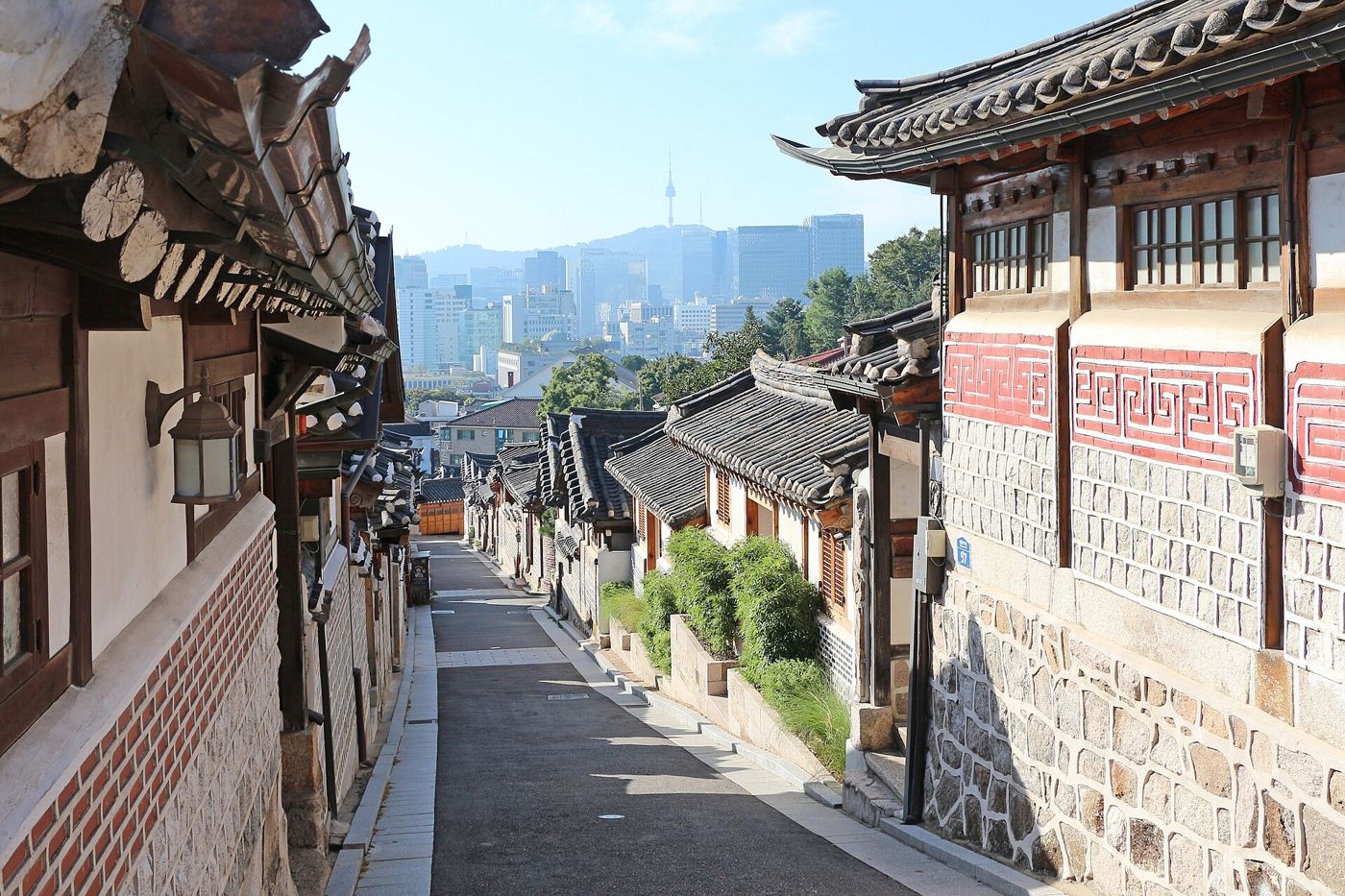
Return toward town by bus and use your map app to find the stop nearest Daereungwon. Hwangnidan-gil, a street of cafés and small shops in low hanok-style buildings, runs along the wall of the tomb park, about five minutes from its side. It is a natural place for a late lunch. Inside Daereungwon, paths wind between the enormous grassy mounds, and at Cheonmachong you can go inside a tomb and see how it was built.
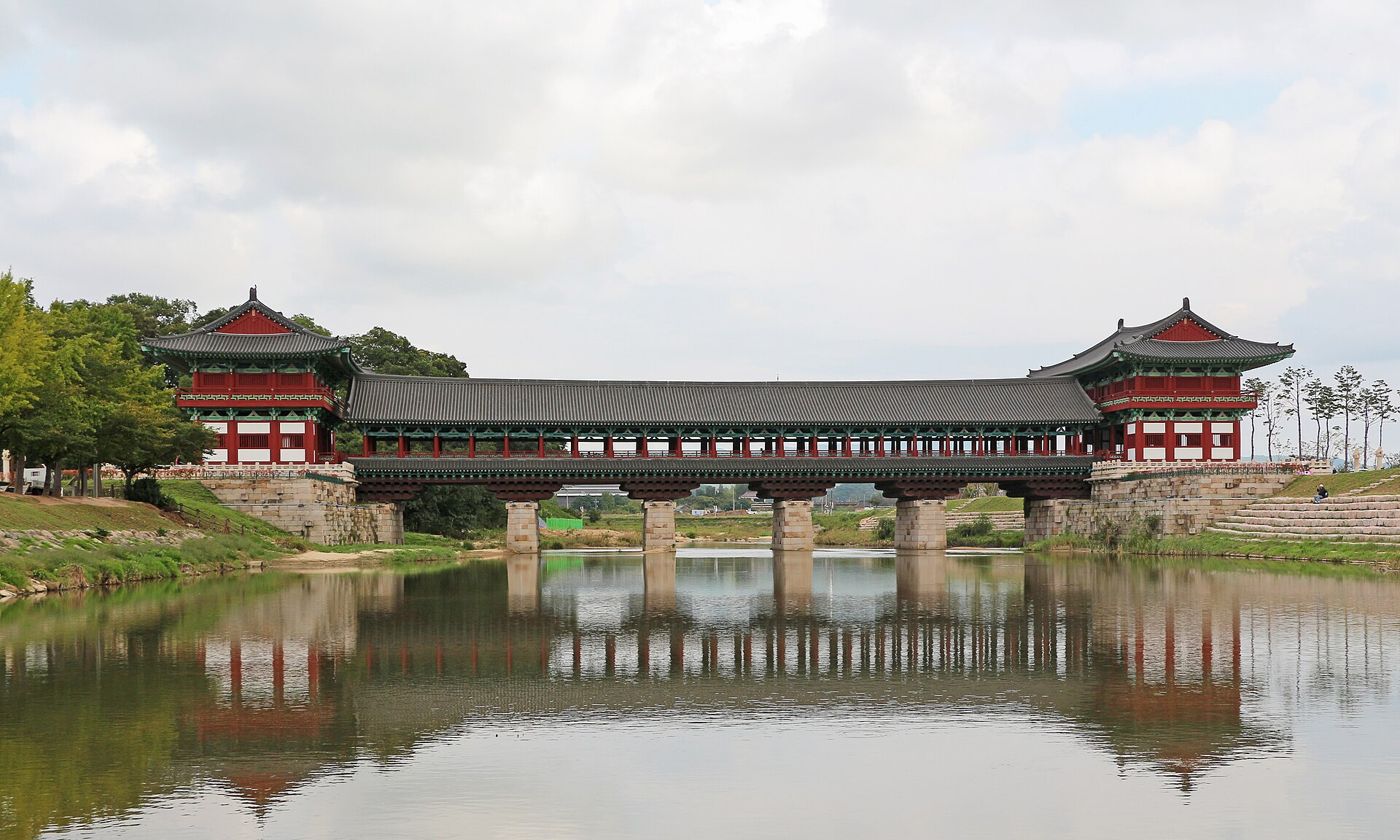
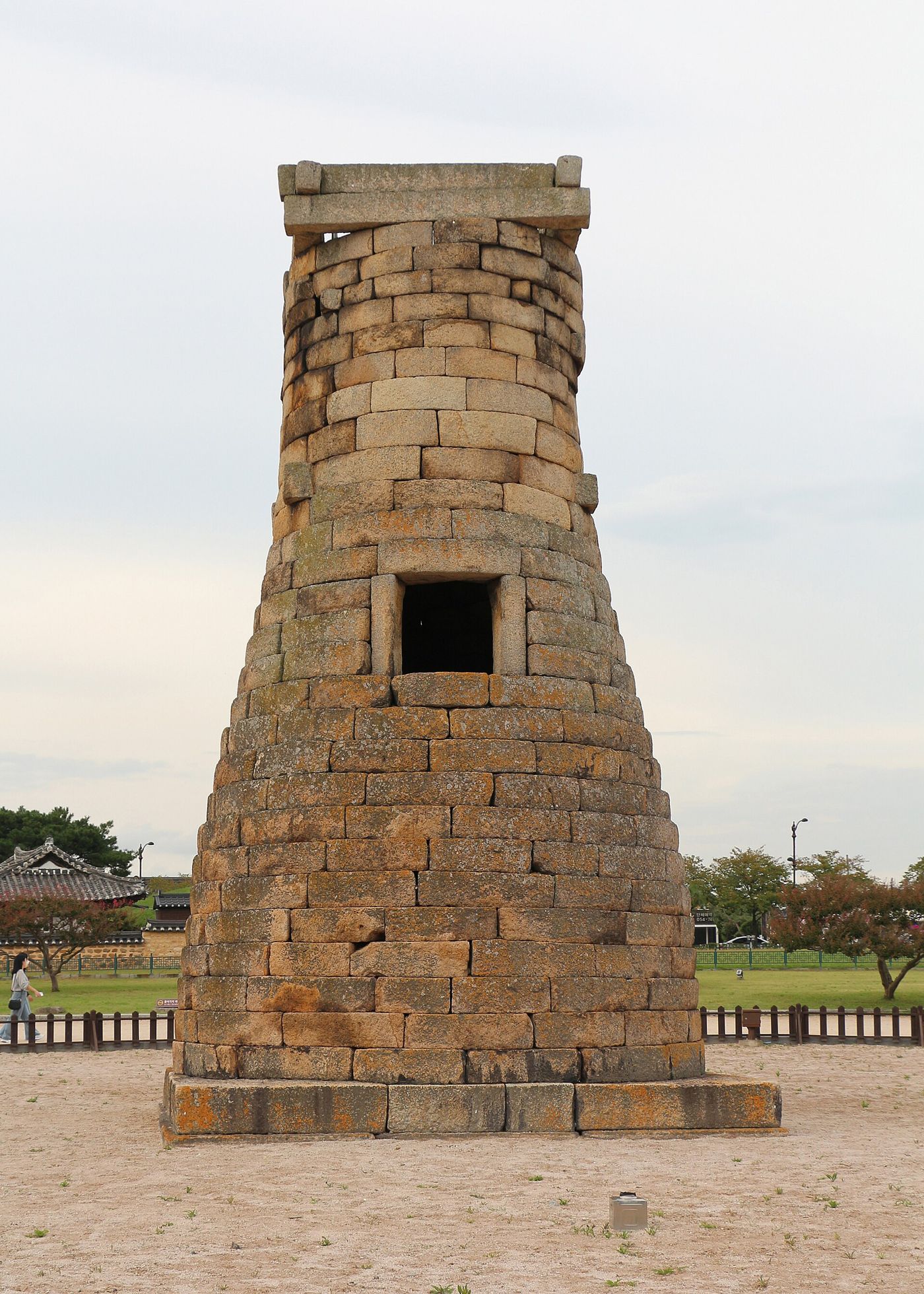
From the main gate of Daereungwon, Cheomseongdae is about seven minutes on foot. This bottle-shaped stone tower dates from the seventh century and is generally described as an astronomical observatory. A few minutes further on is Gyerim, a small old forest, and then Woljeonggyo, a large roofed wooden bridge across the stream. The city's walking route puts Gyerim about 3 minutes from the tower and the bridge about 5 minutes beyond that.
After dark: Woljeonggyo and Donggung
Lights come on around sunset at Woljeonggyo, Cheomseongdae and Donggung Palace and Wolji Pond, and this is why many people try to stay late. From the bridge, Donggung is about 15 minutes on foot. The rebuilt pavilions reflect in the still pond, and it is at its most striking once the sky is fully dark. It is open into the evening, but ticket sales end before closing time, so check the hours on the official page.
If you are returning the same night, look up your last train or bus before dinner, not after, and allow extra time to reach Gyeongju Station. Bus 700 also serves the Donggung stop, but local buses thin out at night, and a taxi is the simple answer.
The overnight plan
- Day 1: arrive around midday and go straight to the old center. Walk Hwangnidan-gil, Daereungwon and Cheomseongdae in the afternoon, and see Woljeonggyo and Donggung after dark with no train to catch.
- Sleep near the old center. The streets around Hwangnam-dong have many small hanok guesthouses, and you can walk back after the night views.
- Day 2: go to Bulguksa and Seokguram early, before the tour groups. From there, bus 700 runs directly to Gyeongju Station, so you can leave for Seoul or Busan without going back through town.
- On Friday to Sunday evenings, Jungang Market has a night market, according to the city's tourism page. Check that it is running before you plan dinner around it.
Small things that help
- Bus numbers and routes change. Confirm them in Naver Map or KakaoMap on the day.
- Wear comfortable shoes: the day involves gravel paths, slopes and a lot of walking between sights.
- Seokguram is up in the hills, so bring a light layer, even when town feels warm.
- Gyeongju pairs well with a longer stay elsewhere; see our three-day Busan itinerary and three days in Seoul. After a long day like this, keep the next evening quiet at your hotel: our notes on resting well on a Korea trip may help.