In this guide
Busan has a festival or a seasonal event in most months, and many of them happen right on the beach. Dates move every year, and sometimes the venue does too, so this guide gives only the rough season and where to confirm it. If a festival is the reason for your trip, check its official page before you book anything.
The year at a glance
- Spring into early summer: Haeundae Sand Festival, Gwangalli Eobang Festival.
- Summer: Busan Sea Festival.
- Autumn: Busan International Film Festival, Busan Jagalchi Festival, Busan Fireworks Festival.
- Winter: Haeundae Light Festival, Gwangbok-ro Winter Light Tree Festival.
- Year-round: the Saturday drone show at Gwangalli.
Spring into early summer
Haeundae Sand Festival
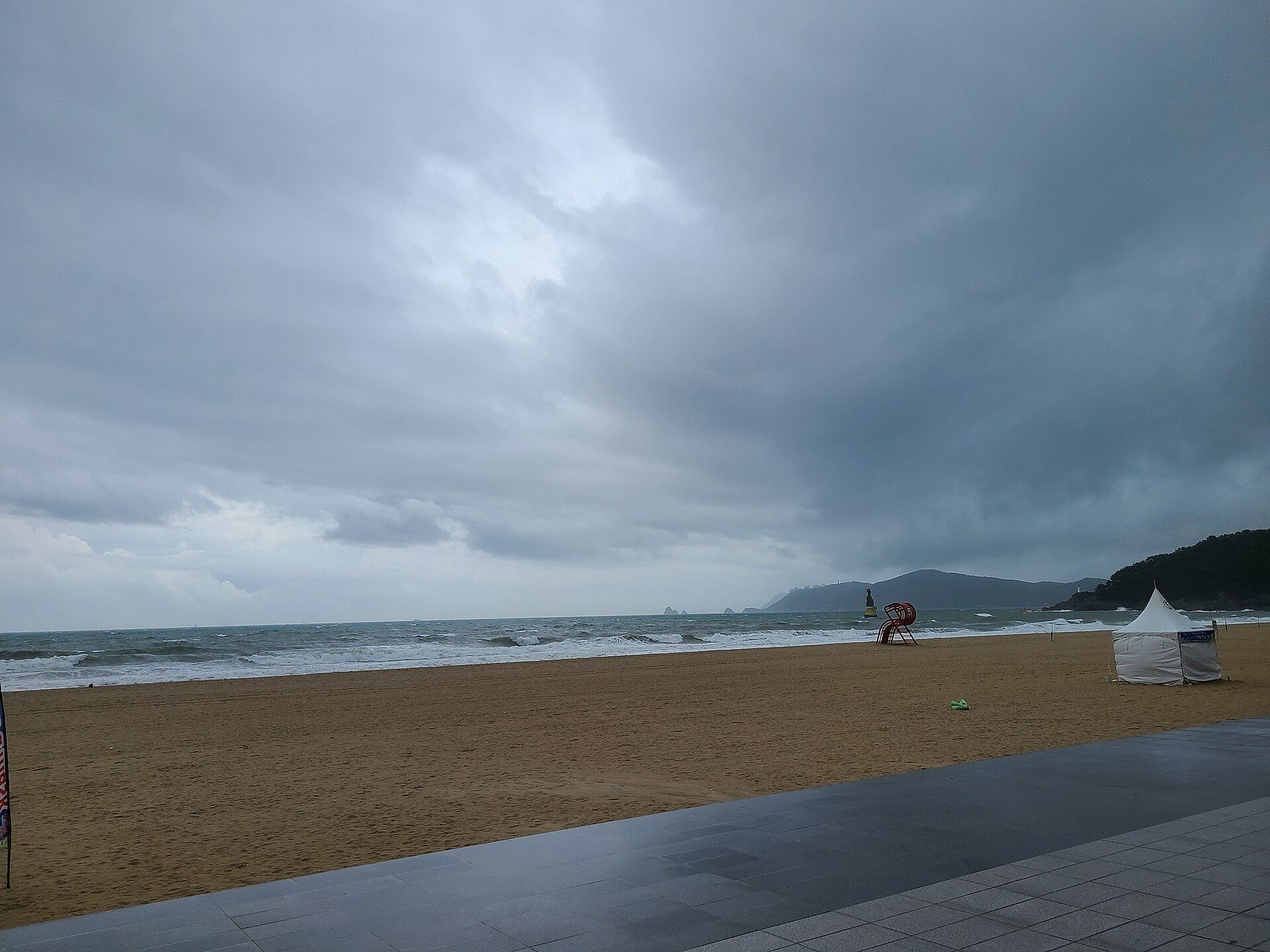
Usually around May in recent years. Sculptors from Korea and abroad build large works on Haeundae Beach around a new theme each year, and a deck lets you walk around them without sinking into the sand. Recent editions have also had a parade, a flea market and activities such as sandboarding, and the sculptures have stayed up for a while after the main days. Official information comes from the Haeundae-gu Office (haeundae.go.kr).
Gwangalli Eobang Festival
Recent editions have fallen around May or June, but the timing has shifted over the years. An eobang was a fishers' cooperative formed here in the Joseon Dynasty, and the festival at Gwangalli Beach and Suyeong Historical Park draws on that history, with a naval commander's parade, a traditional fishers' performance and a bare-handed fish-catching contest. See suyeong.go.kr/festival.
Summer
Busan Sea Festival
Usually around August. Recent editions have been held at Dadaepo Beach in the southwest of the city, mixing cultural events and hands-on activities with the beach and the sunset as a backdrop. In the past the festival has spread across several beaches, so confirm the location at festivalbusan.com/seafestival. Summer is also when the beaches are at their busiest, so book your room early.
Autumn
Busan International Film Festival (BIFF)
Usually between September and October. The main venue is the Busan Cinema Center in Centum City, with other screens around Centum City and Nampo-dong. You don't need industry credentials to enjoy it: anyone can buy film tickets, and there are open talks and outdoor stage greetings with filmmakers. The Community BIFF program takes place at BIFF Square in Nampo-dong. The program and ticketing details appear at biff.kr.
Busan Jagalchi Festival
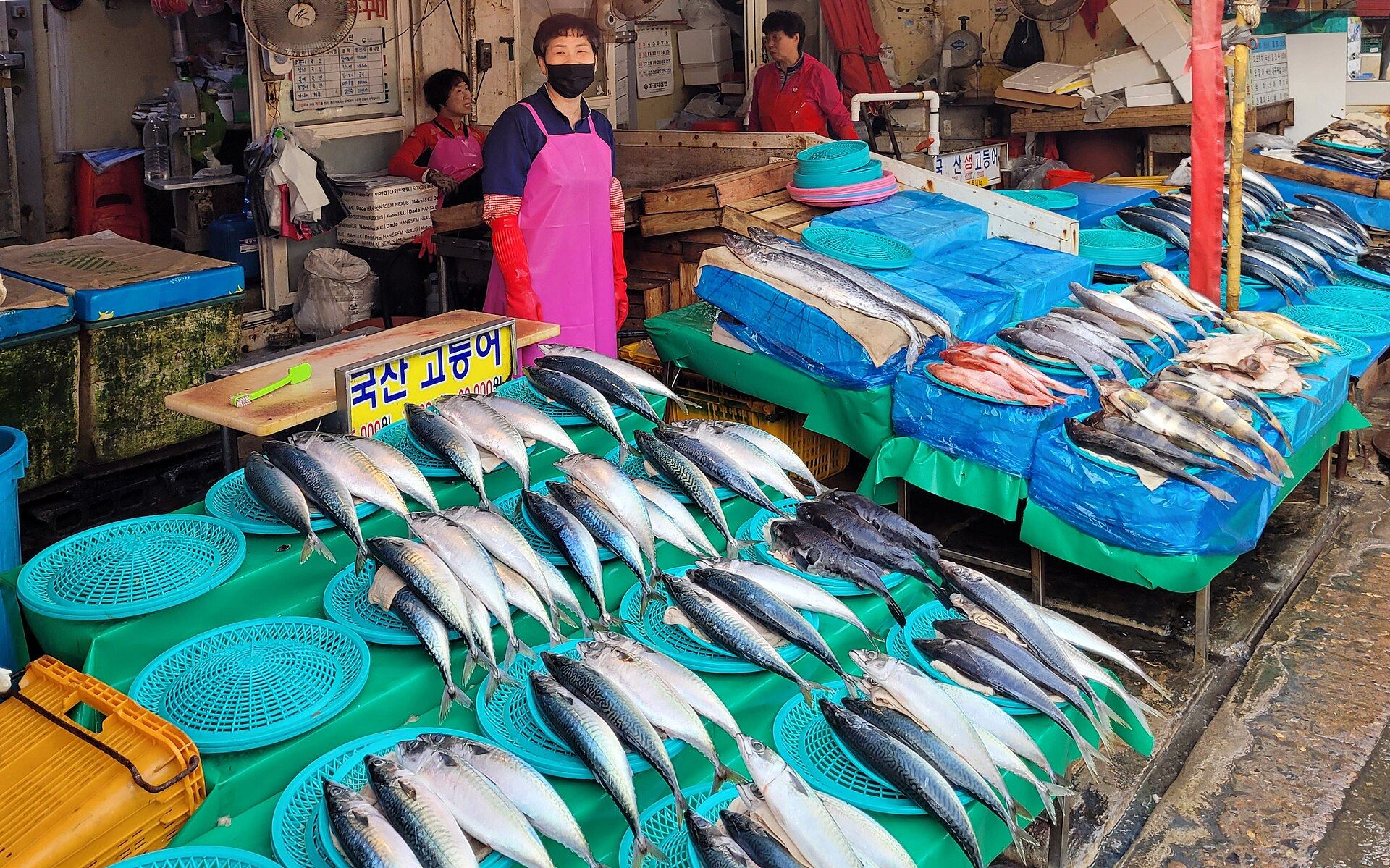
Usually around October, for a few days at Jagalchi Market on the waterfront. Expect food made with fresh seafood, performances, hands-on activities and an evening auction. Visit Busan (visitbusan.net) lists it; confirm the dates there.
Busan Fireworks Festival
The 21st Busan Fireworks Festival is on Saturday, November 7, 2026, according to the official site. The fireworks are set off over the water at Gwangalli, and the official viewing areas are Gwangalli Beach, Igidae and Dongbaekseom. Reserved seats are sold through the official ticket page. The organizers expect heavy traffic and ask visitors to use public transport; there is no parking near the Gwangalli area. For Gwangalli, use Gwangan Station on Line 2; for Dongbaekseom, Dongbaek Station. Bring a warm layer, because a November evening by the sea is cold. The next date is at busanfireworks.com.
Winter
Haeundae Light Festival
Recent editions have started around late November or December and run into January or February. Light installations and media art line Haeundae Beach and the Gunam-ro shopping street, so it makes an easy walk after dinner. It is run by the Haeundae-gu Office (haeundae.go.kr).
Gwangbok-ro Winter Light Tree Festival
This one has also begun between November and December in recent years, with the lights staying up into winter. A large tree and streets lined with lights fill the Gwangbok-ro area in old downtown Busan, and weekends have brought busking and hands-on programs. It pairs well with an evening at the Nampo-dong markets.
Every Saturday: the Gwangalli drone show
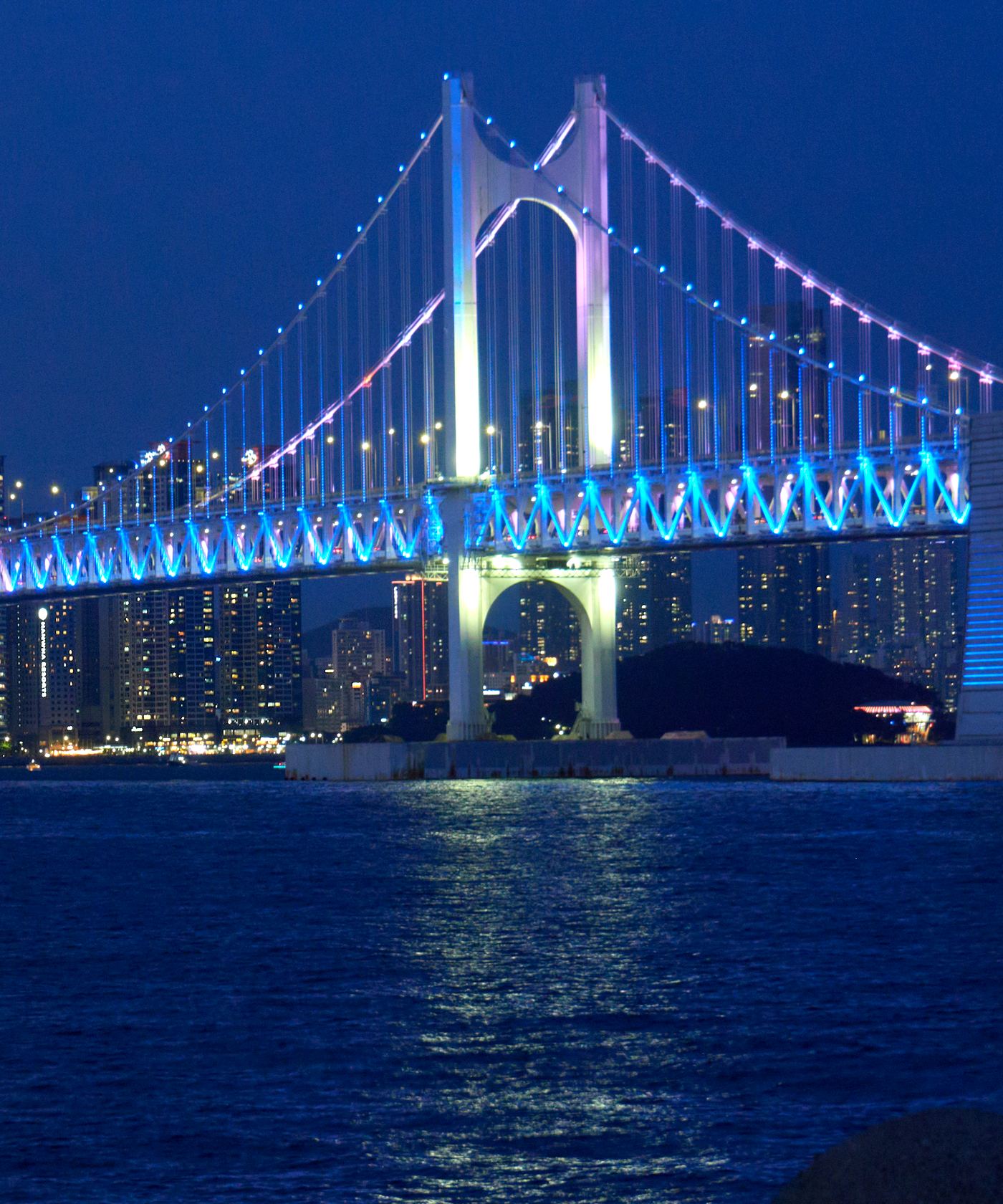
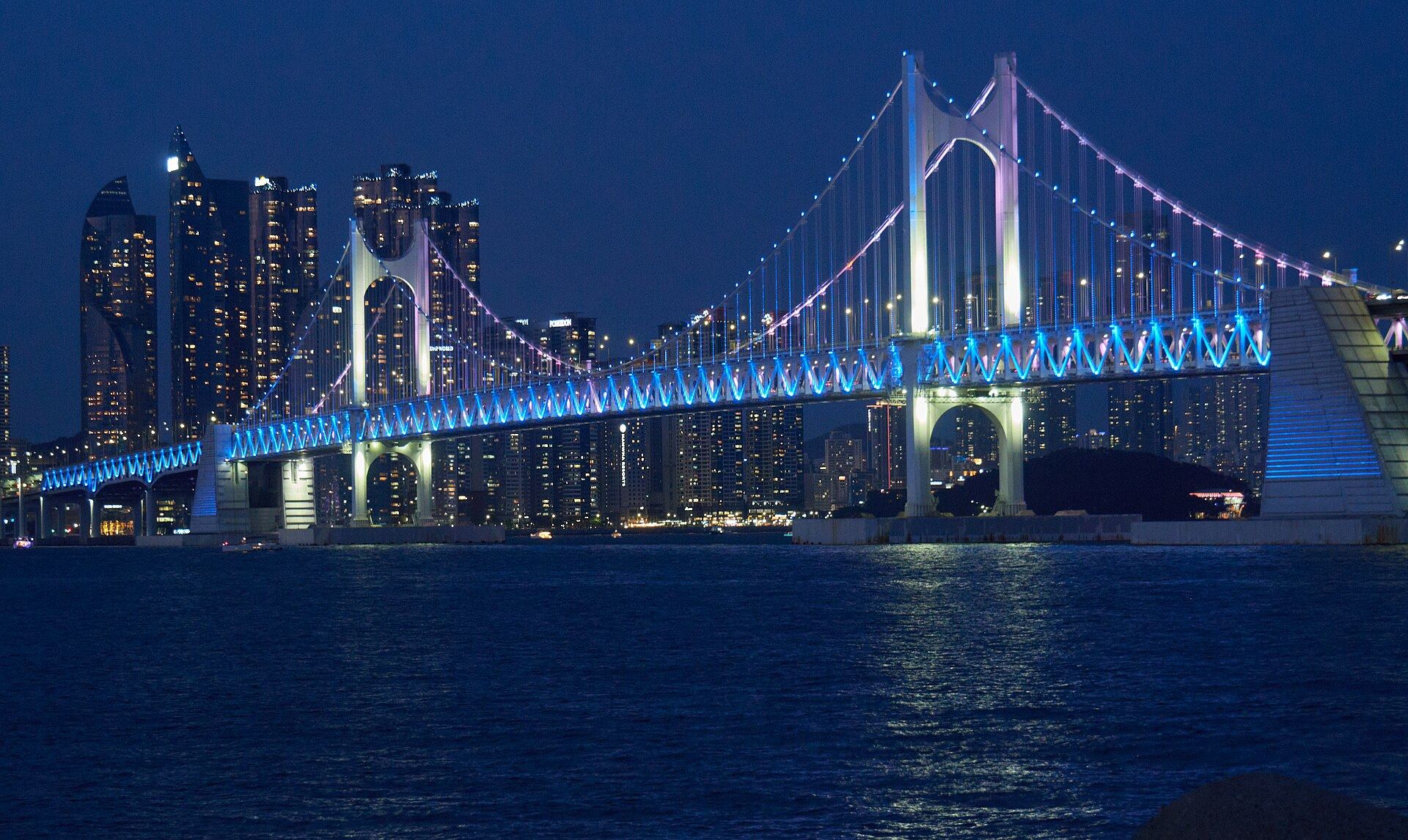
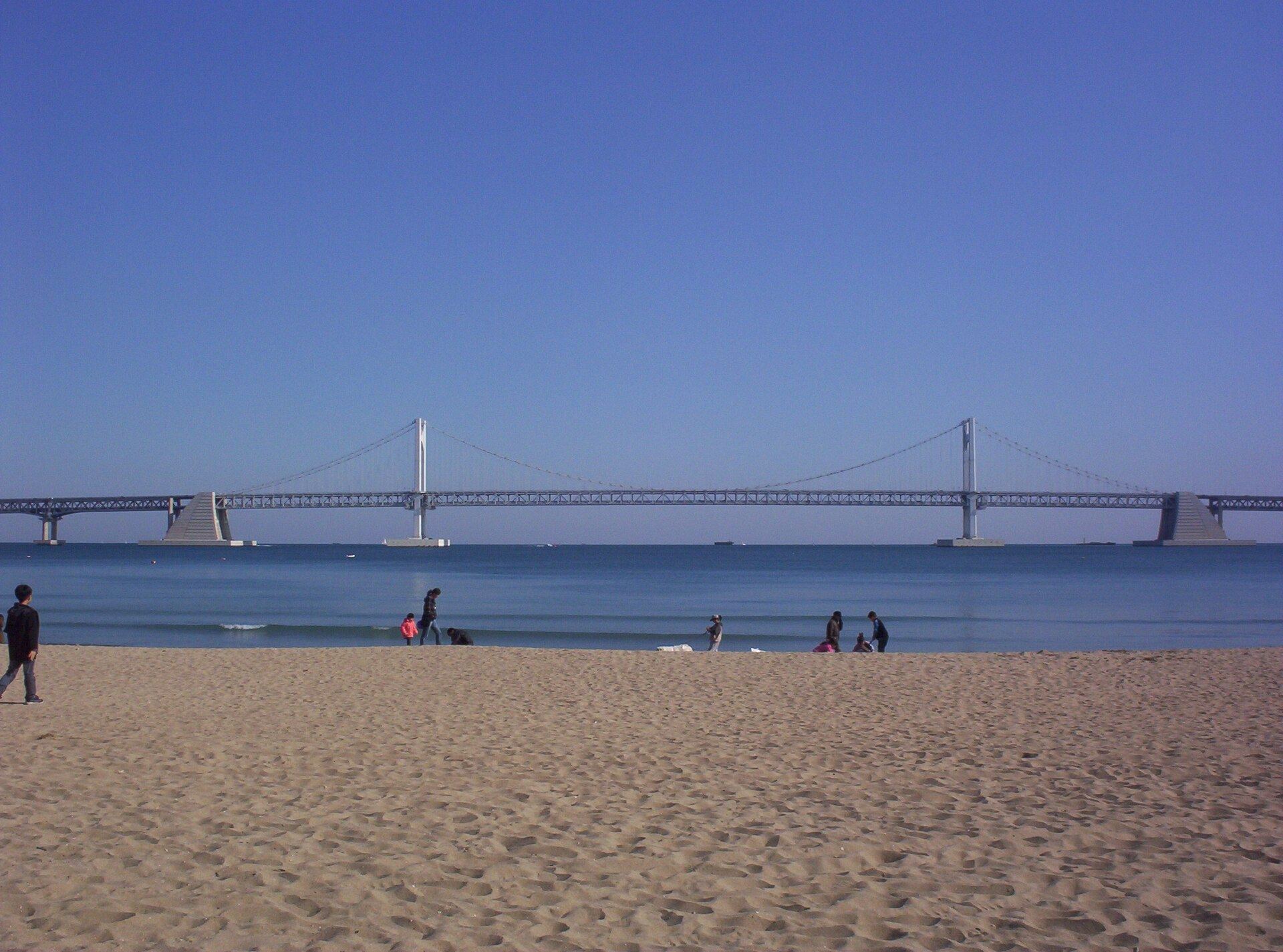
If you miss every festival, there is still this. The Gwangalli M Drone Light Show runs on Saturdays throughout the year over Gwangalli Beach, with the bridge behind it. Rain, strong wind or technical problems can cancel or delay it, so look at gwangallimdrone.co.kr on the day. There is more about the area in our guide to the bridge at night.
Planning around a festival
- Confirm first: look for the current year's notice on the official page, not a blog post from last year.
- Stay close: for a beach festival, a room within walking distance saves you from crowded trains. Our guide to where to stay in Busan compares the areas.
- Fill the rest of the day: pick something nearby from our list of things to do in Busan, and eat before the crowds gather with help from our Busan food guide.
- Afterward: festival days involve a lot of standing, so leave the next morning open. Our notes on resting well on a Korea trip may help.