In this guide
With one day on Jeju, pick one side of the island and leave the rest for another trip. Both routes below begin in Jeju City or at the airport and bring you back by evening. The east is volcanic: a crater rising from the sea, black lava shores and a long lava tube. The west is softer: a pale shallow beach, sunset over a small island and green tea fields. Each route works by car, and each has a shorter bus version, because outside the cities VisitJeju warns of waits of an hour or more.
Which side should you choose?
- Choose the east if you want dramatic scenery and don't mind stairs. Seongsan Ilchulbong's summit path is about 30 to 40 minutes of steps and slopes.
- Choose the west if you would rather walk slowly, sit by the water and stay for the sunset.
- Check closed days first: Seongsan Ilchulbong closes on the first Monday of each month and Manjanggul on the first Wednesday.
- On the bus, carry a T-money card, since some routes don't take cash, and follow live arrivals in Naver Map or KakaoMap.
Route 1: east Jeju in one day
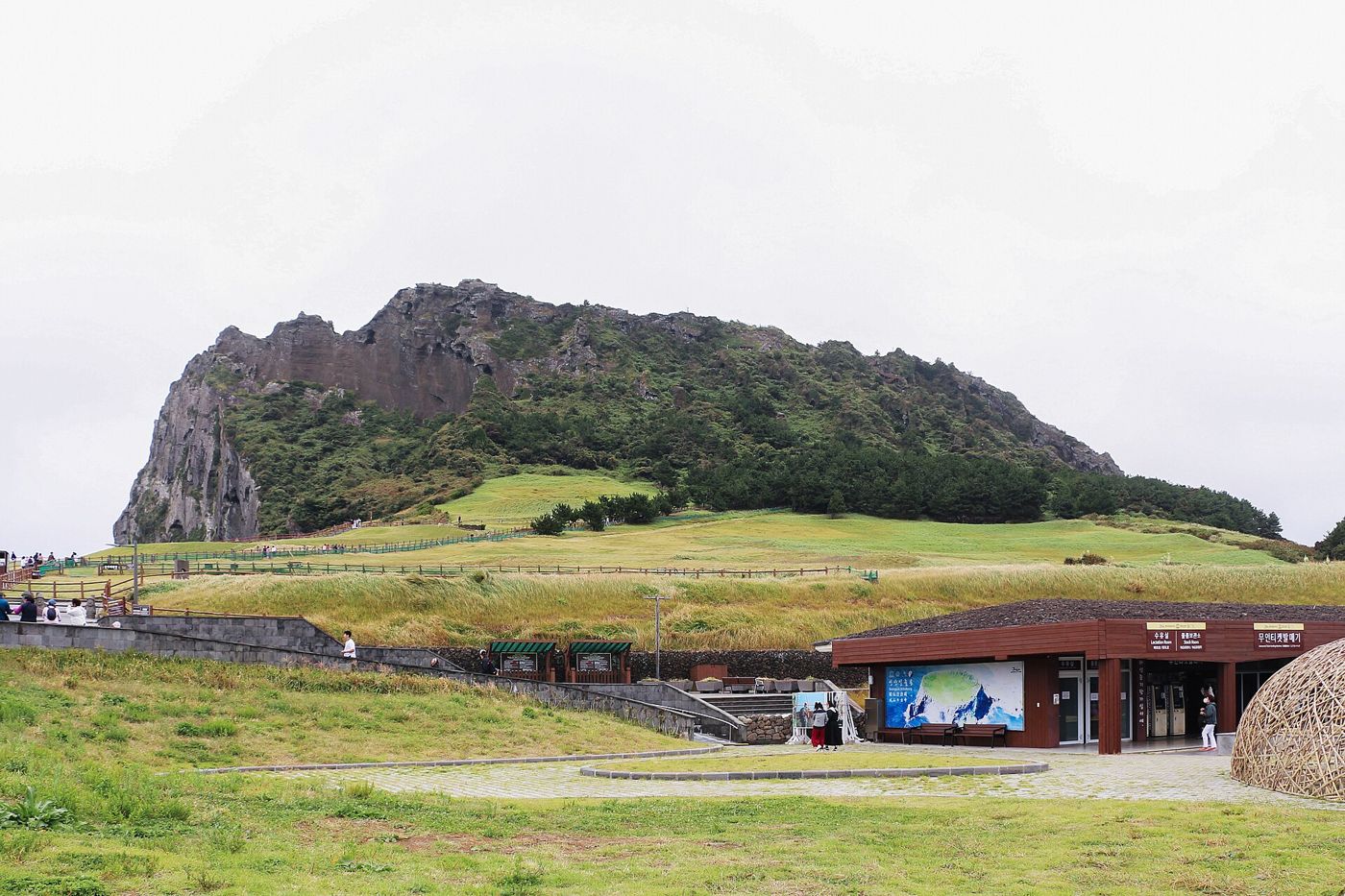
Morning: Seongsan Ilchulbong
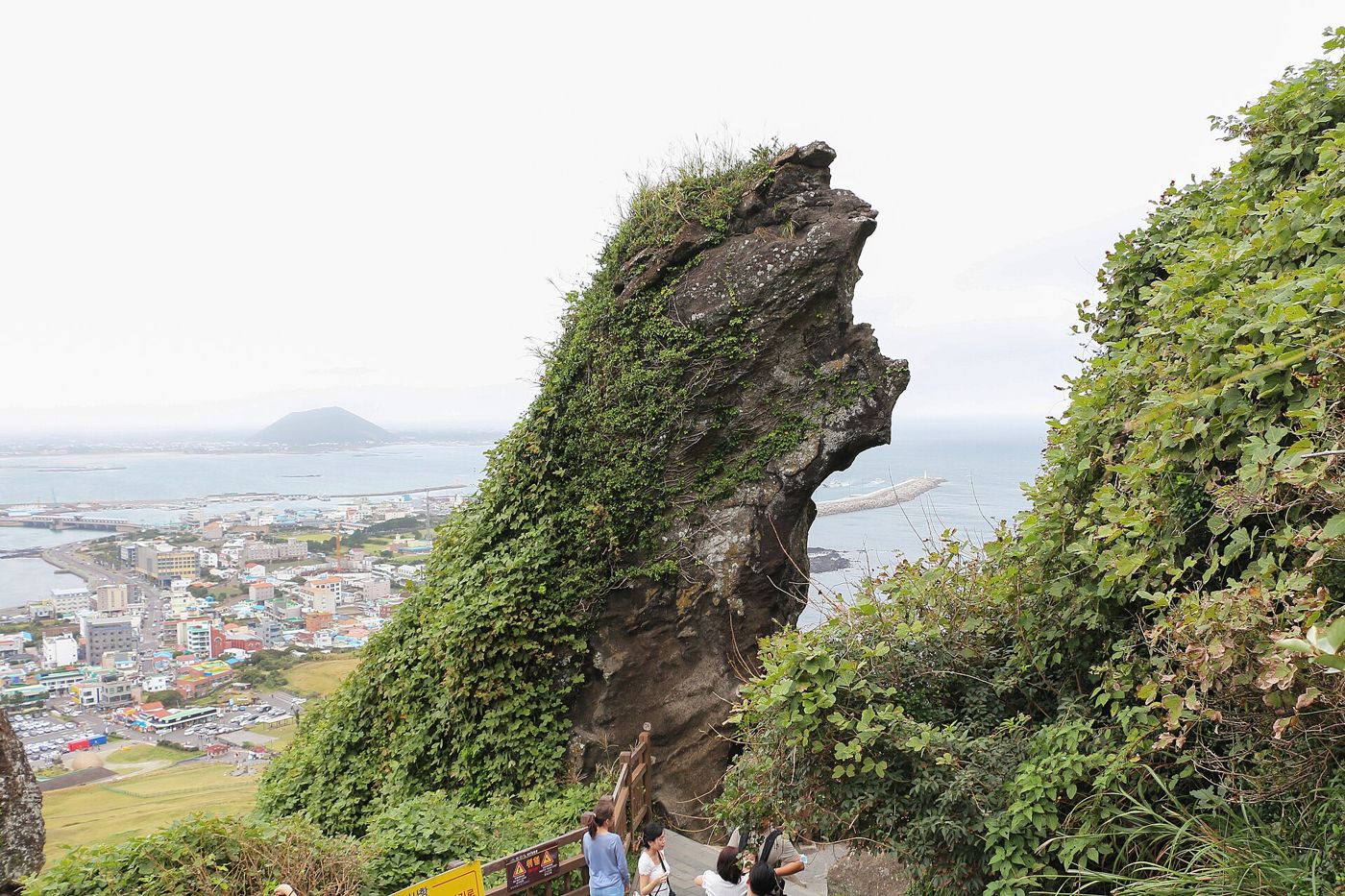
Leave early and go to the far end first. By bus, express 111 runs from the airport to Seongsan Port, and bus 201 from Jeju Bus Terminal stops at the cone after about 1 hour 45 minutes. Climb to the crater rim, or take the free lower path if your legs would rather not.
Late morning: Gwangchigi and Seopjikoji
Gwangchigi Beach, about 25 minutes on foot from the cone according to VisitKorea, is known for its low-tide scenery facing the cone. By car, continue to Seopjikoji, a cape of grassland, coastal cliffs and volcanic rock with views back to Seongsan. It's harder without a car: VisitJeju's bus route uses the Sinyang-ri entrance stop on bus 201 and then a walk of about 50 minutes, so a taxi makes more sense.
Afternoon: Sehwa and Manjanggul
Sehwa is a seaside village on bus 201 with a coastal road, cafés and a lighthouse. Then comes Manjanggul Lava Tube, which reopened on May 30, 2026 after more than two years of work following a rockfall. Visitors walk about 1 km from Entrance 2 to a lava column some 7.6 m high. Entry stops in the late afternoon, so don't leave it too long. By bus, change at Gimnyeong to 711-1 or 711-2.
Sunset: Hamdeok
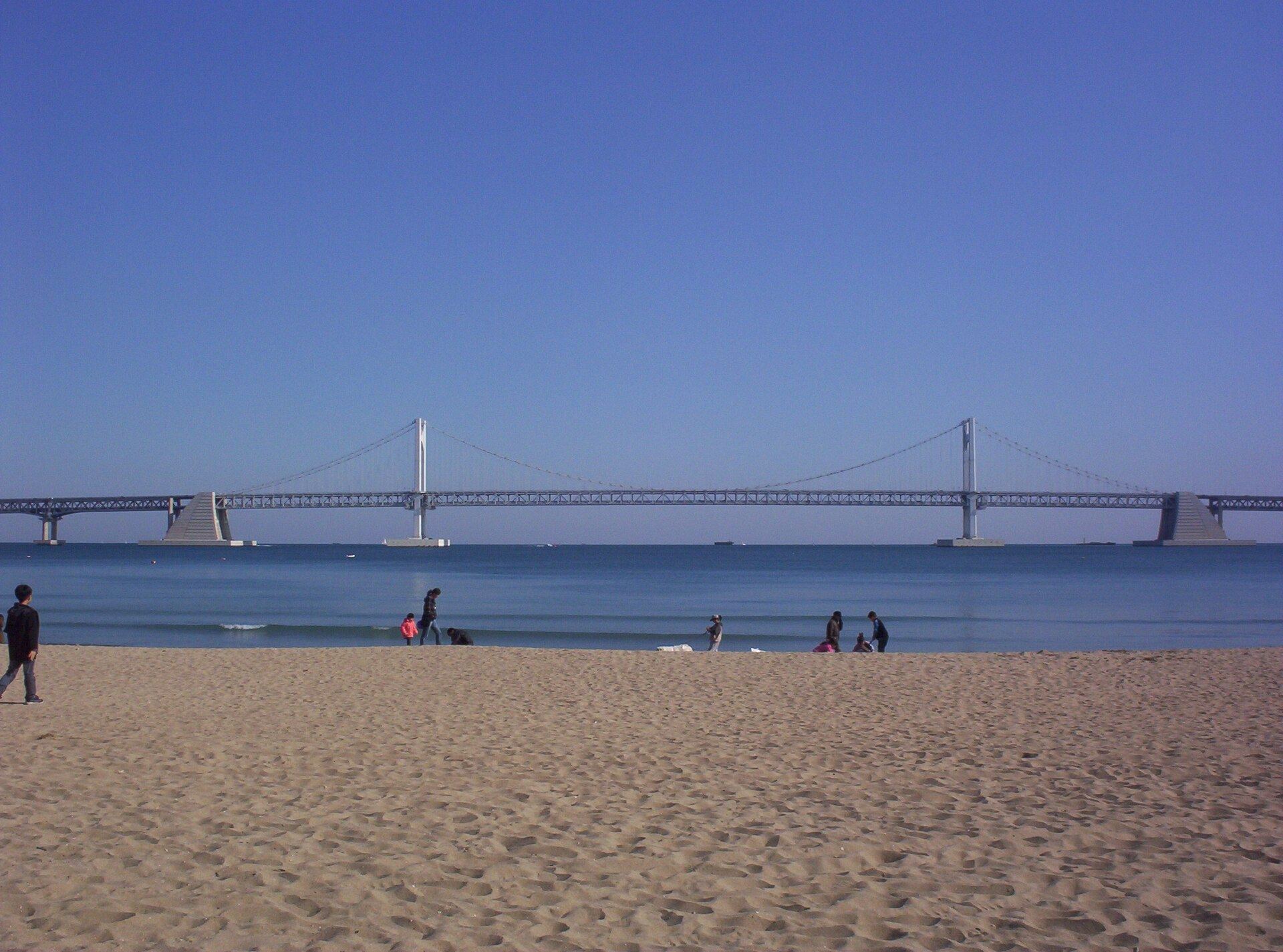
End at Hamdeok Seoubong Beach, about 40 minutes from Jeju City or the airport by bus 201 or 101. The water is clear and mostly shallow, and Seoubong, the low volcanic hill beside it, makes a short walk with a view. Buses 101 and 201 take you back.
Route 2: west Jeju in one day
Morning: O'sulloc tea fields
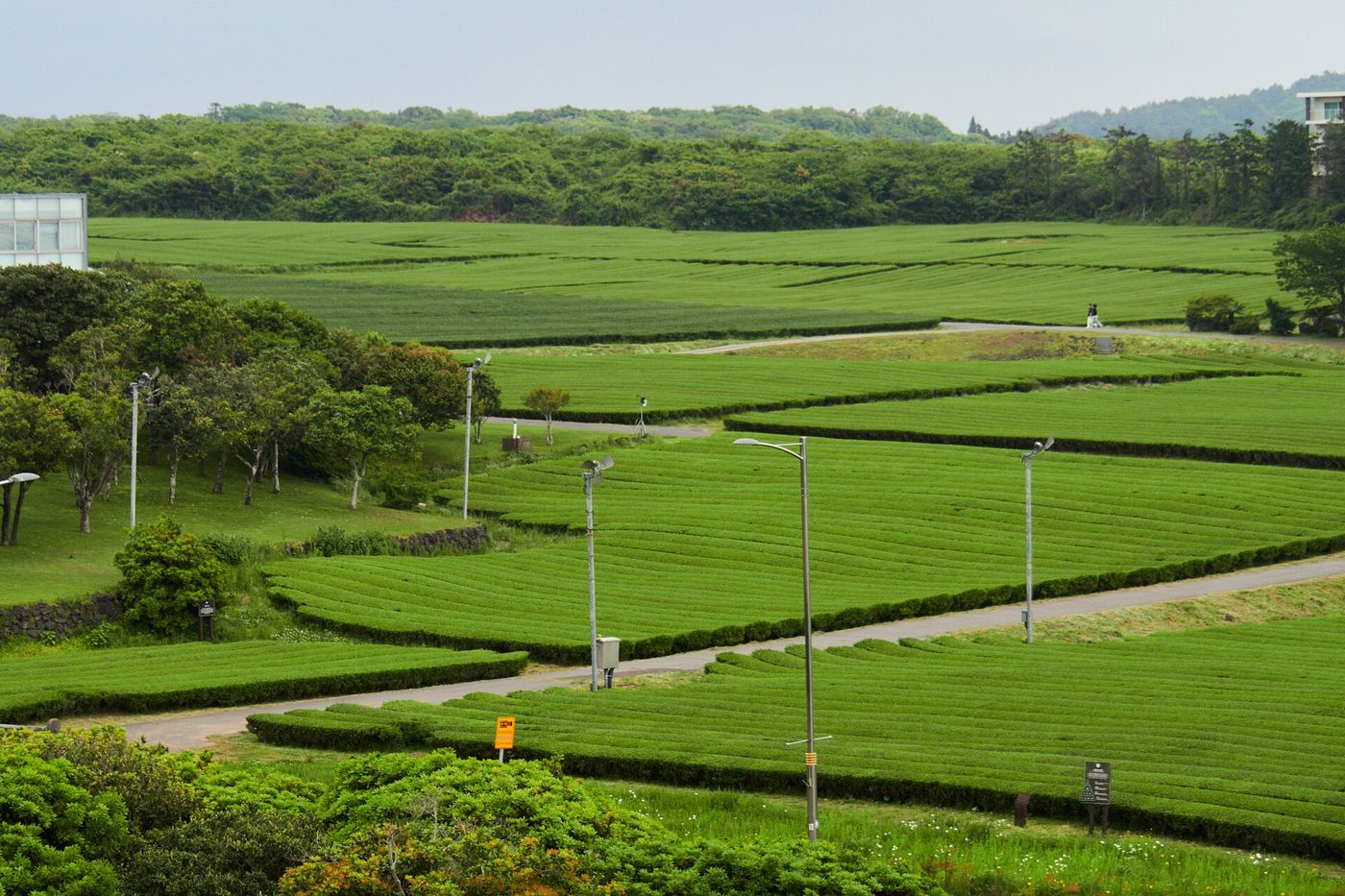
Bus 151 runs from Jeju Bus Terminal and the airport to Donggwang; O'sulloc's own directions then list buses 771-1, 771-2, 784-1, 820-1 and 820-2 from Donggwang to the O'sulloc stop. The 820 loop is a tourist shuttle that stops only at major attractions, and its day pass is sold at Donggwang. The site has tea fields, a tea museum and a tea house, so give it a relaxed hour or two.
Afternoon: Hyeopjae and Geumneung
O'sulloc's directions also list 784-1 and 784-2 between the O'sulloc stop and Hallim via Hyeopjae Beach, which gives you a simple link down to the coast. Hyeopjae has shallow water and a pine grove and joins Geumneung Beach next door, a little quieter.
Sunset and the way back
Stay at Hyeopjae for the sunset, when the sun goes down behind Biyangdo. Then take bus 202 back to Jeju Bus Terminal, about 1 hour 15 minutes. With a car, drive back along the coast road and stop at Handam, where a walking path of about 1.2 km follows the shore to Gwakji Beach.
If it rains
East Jeju swap
Keep Manjanggul, because it is underground. Then add the Jeju Haenyeo Museum, which covers the lives and work of Jeju's women divers and has a deck overlooking the Sehwa coast. Bus 711-1 links Manjanggul and the museum directly, and bus 201 passes nearby on the way back. Check its closed day before you go: VisitJeju says the first Monday of the month, while VisitKorea lists every Monday. Skip Udo in rough weather, since ferries can stop, and take care on Seongsan's stairs.
West Jeju swap
Keep O'sulloc for the tea house and museum. Bonte Museum in Andeok, designed by Tadao Ando, has five exhibition halls, including Yayoi Kusama's work, and VisitJeju lists it among its picks for overcast days. We couldn't find an official bus route to it, so plan on a car or taxi and check its hours on its website. Back in Jeju City, Jeju National Museum is an easy indoor choice, but it closes on Mondays.
Small things that help
- Bus timetables change. Jeju's bus site posted route and timetable notices as recently as October 2026, so check bus.jeju.go.kr or your map app on the day.
- With more time, join these two days together in our three-day Jeju itinerary. After a full day out, plan a quiet evening; our notes on resting well on a Korea trip may help.