In this guide
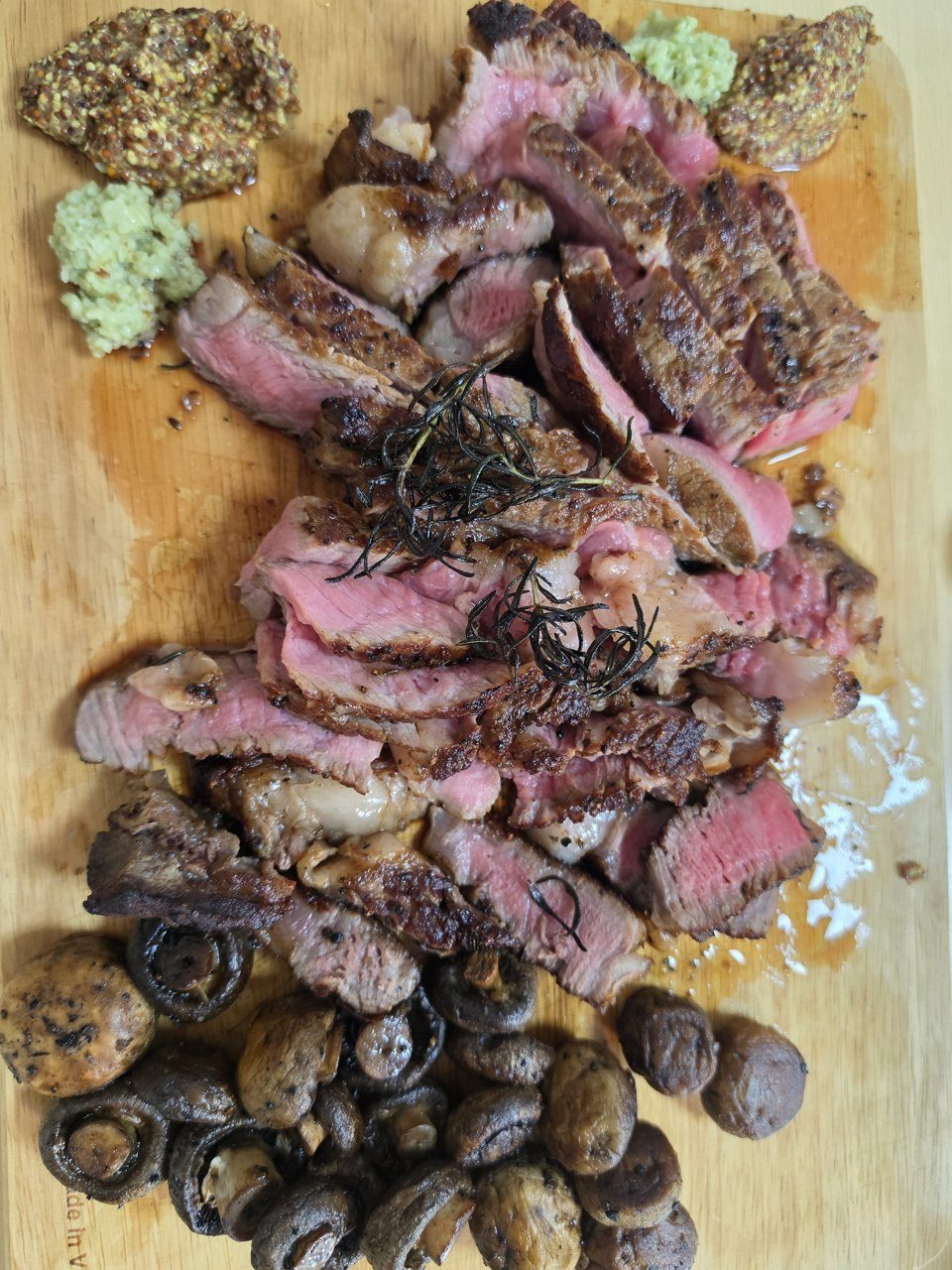
A wooden board of sliced steak, pink in the middle and crusted at the edges, with roasted mushrooms, a spoonful of grainy mustard and a little green paste on the side. This is a familiar sight in Korea, where Western-style steak and Korean-style grilled beef sit comfortably side by side. If you love beef, Busan is an easy city to enjoy it in, even on your own.
This guide focuses on understanding what you are ordering: the grades, the cut names you will see on menus, and how to eat beef as a solo traveller without feeling awkward.
Hanwoo, Imported Beef and What the Grades Mean
Hanwoo is native Korean cattle, and it is prized for its rich marbling and deep flavour. It is also noticeably more expensive than imported beef, which in Korea usually comes from Australia or the United States. Menus often state the origin clearly, and many restaurants list it on a notice near the entrance or on the menu itself.
Korean beef is graded mainly by marbling. The top quality grades are written as 1++, 1+ and 1, followed by 2 and 3. A 1++ cut will be very soft and buttery, while a grade 1 cut has more chew and a beefier taste. If you prefer a leaner steak, there is no need to chase the highest grade.
Cut Names You Will See on Korean Menus
Korean cuts do not always match Western ones exactly, but a few names come up again and again. Learning them makes it much easier to point at a menu with confidence.
- Deungsim (등심): the sirloin and ribeye area, the classic choice for a juicy steak
- Ansim (안심): tenderloin, very tender and lean
- Galbisal (갈비살): meat from between the ribs, richly flavoured
- Buchaesal (부채살): top blade, similar to flat iron, good value and full of flavour
- Chadolbaegi (차돌박이): thin slices of brisket that cook in seconds on a grill
- Yukhoe (육회): seasoned raw beef, often served with pear and egg yolk
Steak in Korea is frequently served already sliced, as in the photo, so it can be shared or eaten easily with chopsticks. Medium-rare is a common default at Western-style places, but staff will usually ask how you would like it cooked.
Condiments: Mustard, Wasabi and Salt
Instead of heavy sauces, Korean beef is often eaten with simple sides that let the meat stand out. Grainy mustard, a dab of wasabi, coarse salt and sometimes a salty-sweet dipping sauce appear on many boards and plates. A small piece of meat with a touch of wasabi is a popular way to cut through the richness of well-marbled beef.
Roasted mushrooms, garlic cloves, grilled onion and fresh herbs such as rosemary are typical companions at steak restaurants. At Korean grill restaurants you will also get banchan, the small side dishes, plus lettuce for wrapping and often a soup or noodles to finish.
Eating Beef Alone in Busan
Many Korean beef grill restaurants expect orders for two or more, especially in the evening. Western-style steakhouses, bistros and wine bars are usually easier for one person, since steak is plated individually. Lunch is also a good time to try beef alone, as some places offer set menus that are simpler and more affordable than dinner.
For Korean-style grilling, look for places with counter seats or menus that list a single portion. If you are unsure, it is fine to ask at the door whether one person can order. For more on grill etiquette and how to handle the table grill, see the guide on Korean BBQ and Jokbal in Busan.
- Seomyeon has a dense mix of restaurants and is easy to reach on Busan Metro Lines 1 and 2
- Haeundae and the streets near the beach have many Western-style dining options
- Jeonpo and the area around the café streets suit a relaxed evening meal
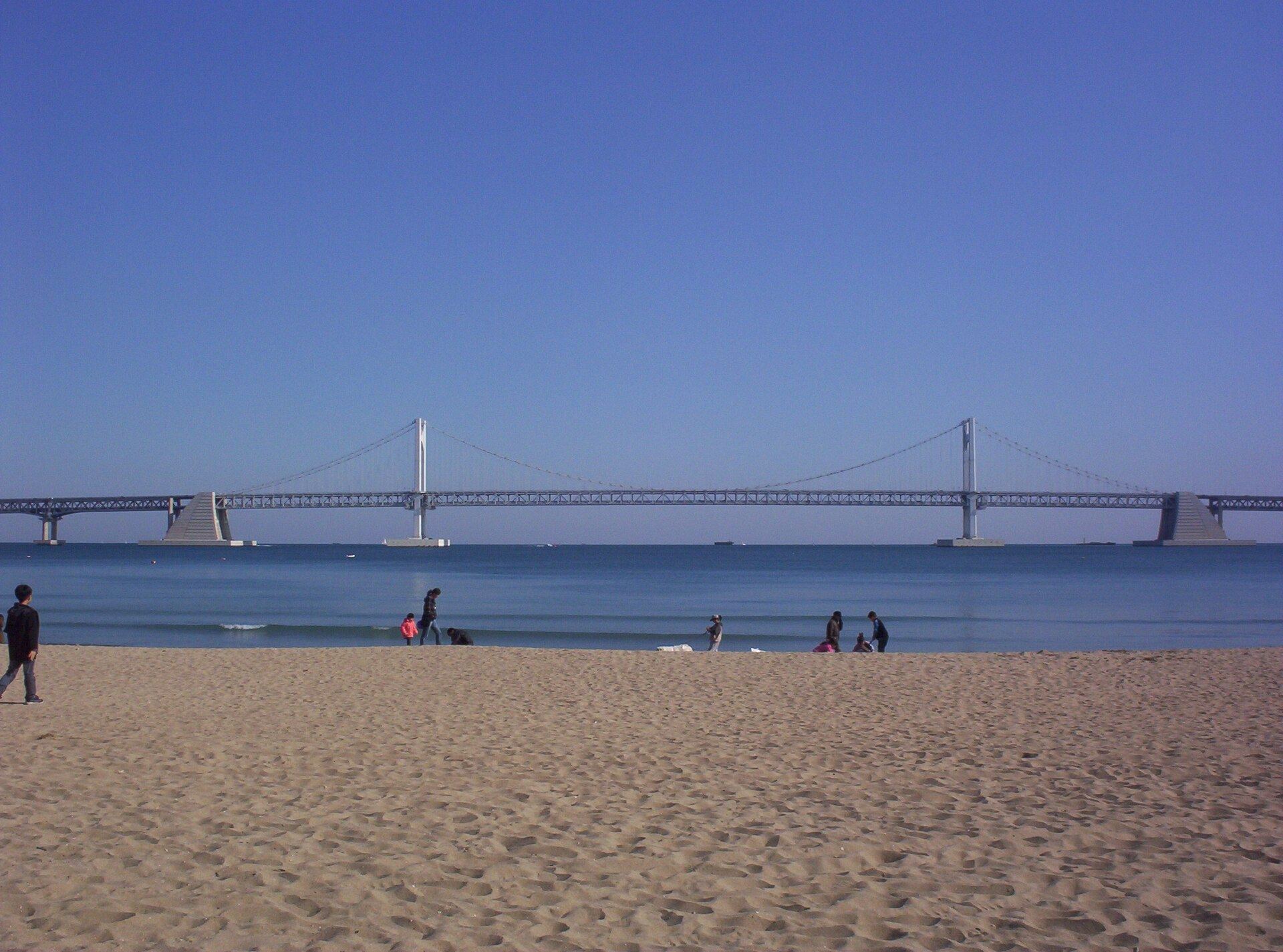
- Gwangalli offers dinner with sea views and an easy walk along the beach afterwards
Practical Tips for the Evening
Card payment is accepted almost everywhere, and you normally pay at the counter on the way out rather than at the table. Tipping is not expected in Korea. Many restaurants have tablet ordering or call buttons on the table, so you do not need to wave staff over.
Busan is generally comfortable for women walking in the evening, especially in busy areas like Seomyeon, Haeundae and Gwangalli. Taxis are easy to call with a ride-hailing app, and the metro runs until late in the evening. Choosing a dinner spot near your accommodation makes the night even simpler, and the guide on where to stay in Busan can help you pick a base.
After a rich steak dinner and a long day out, a slow walk back and a quiet evening in your hotel is a lovely way to end the day.
Tired after a long day of travel?
If a full day of walking around Busan has left you worn out, a quiet hour of women-only aroma body care in your hotel room is one way to end the day. TODAK is for women guests only, and our therapists are men who provide professional body care only. Please message us in advance — there is no deposit, and you pay in cash (Korean won) on the day.