In this guide
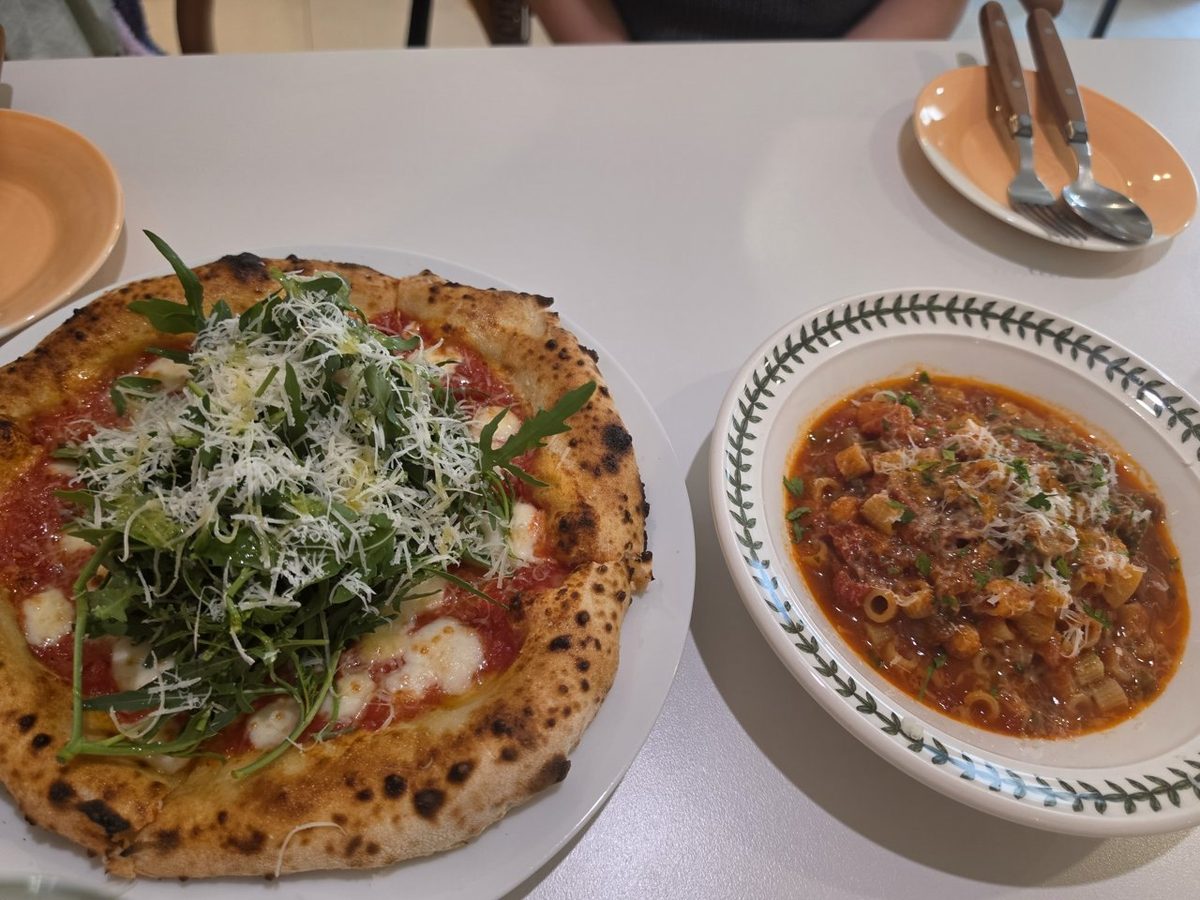
A few days into a trip to Busan, many travellers find themselves wanting something familiar alongside all the grilled meat, fish soup and spicy rice cakes. The good news is that Busan has a lively Western dining scene, and wood-fired pizza and Italian-style pasta are easy to find in the busier neighbourhoods. The plate in the photo says it all: a blistered, leopard-spotted crust topped with fresh arugula and a snowfall of grated hard cheese, served next to a hearty bowl of small tube pasta in a tomato and meat sauce.
This guide covers how Italian restaurants in Korea tend to work, what you might see on the menu, and a few practical tips for enjoying a relaxed meal, whether you are on your own or with a friend.
What to Expect From Italian Food in Korea
Neapolitan-style pizza baked in a very hot oven has become popular across Korean cities. Expect a soft, puffy rim with charred spots and a thin centre that is meant to be eaten with a knife and fork or folded. Toppings are often generous with fresh greens, like the arugula and cheese pizza here, which is a common and reliable choice.
Korean menus also have their own favourites you may not see at home. Look out for these:
- Rosé pasta: a creamy tomato sauce, sometimes with a little chilli kick, which is hugely popular in Korea.
- Gorgonzola pizza served with a small dish of honey for drizzling, a sweet and salty combination many visitors end up loving.
- Seafood pasta: in a port city like Busan, clams, shrimp and squid often appear in oil-based or tomato pastas.
- Risotto and gratin-style dishes, often richer and creamier than the Italian originals.
- Pickles: many Italian and Western restaurants in Korea serve a small dish of sweet-sour pickled vegetables with your meal, used to cut through the cheese and cream.
Portions are usually designed for sharing. A pizza and one pasta, as in the photo, is a typical order for two people. Eating solo, a single pasta or a small pizza is plenty.
Where to Look in Busan
You will not need a specific address to find good pizza and pasta. Neighbourhoods with lots of cafes and young crowds tend to have the widest choice. Seomyeon, the city's central shopping and transport hub, is packed with restaurants of every kind and is well connected by subway lines 1 and 2. The cafe streets around Jeonpo, a short walk from Seomyeon, are known for stylish small restaurants and coffee shops.
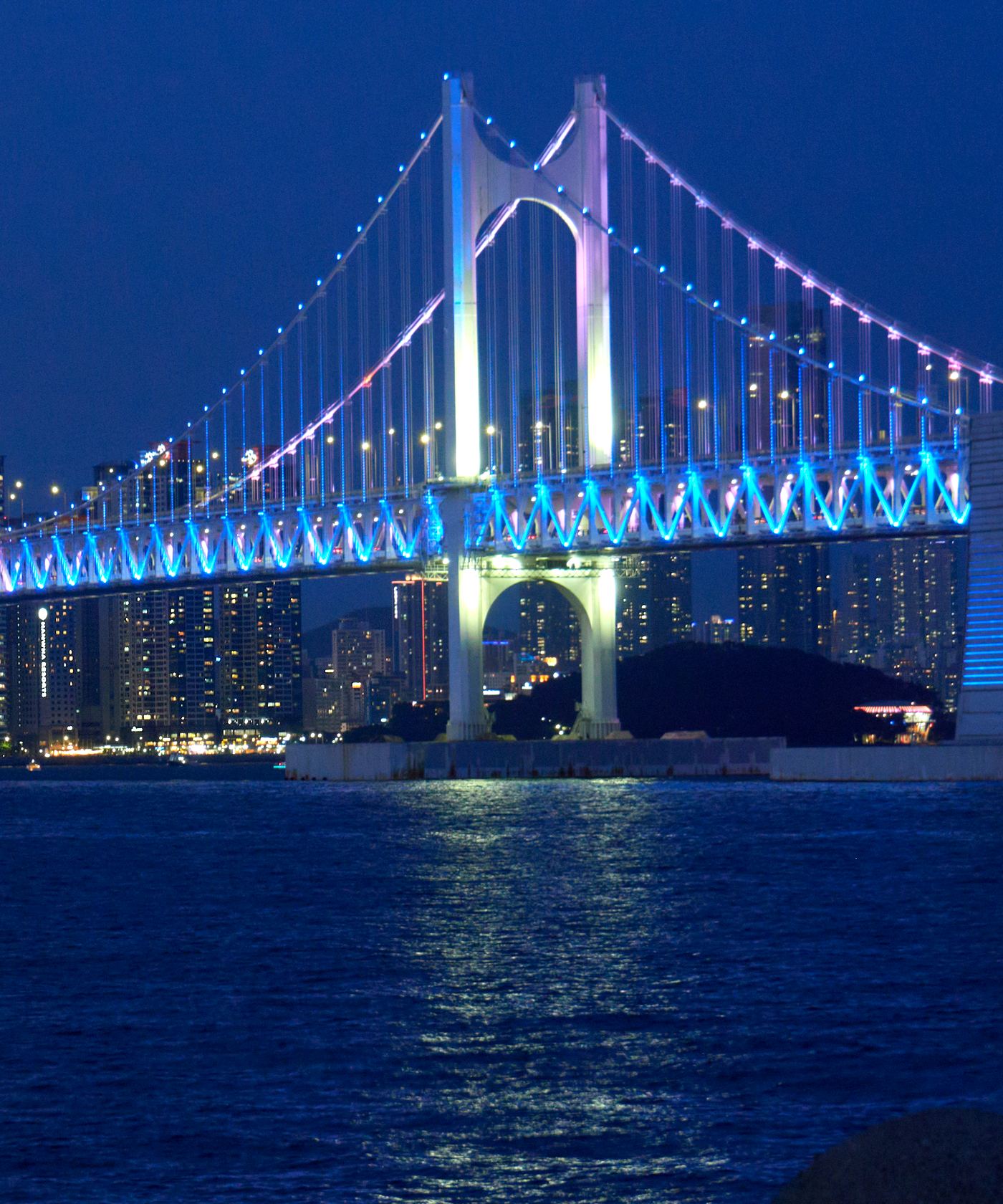
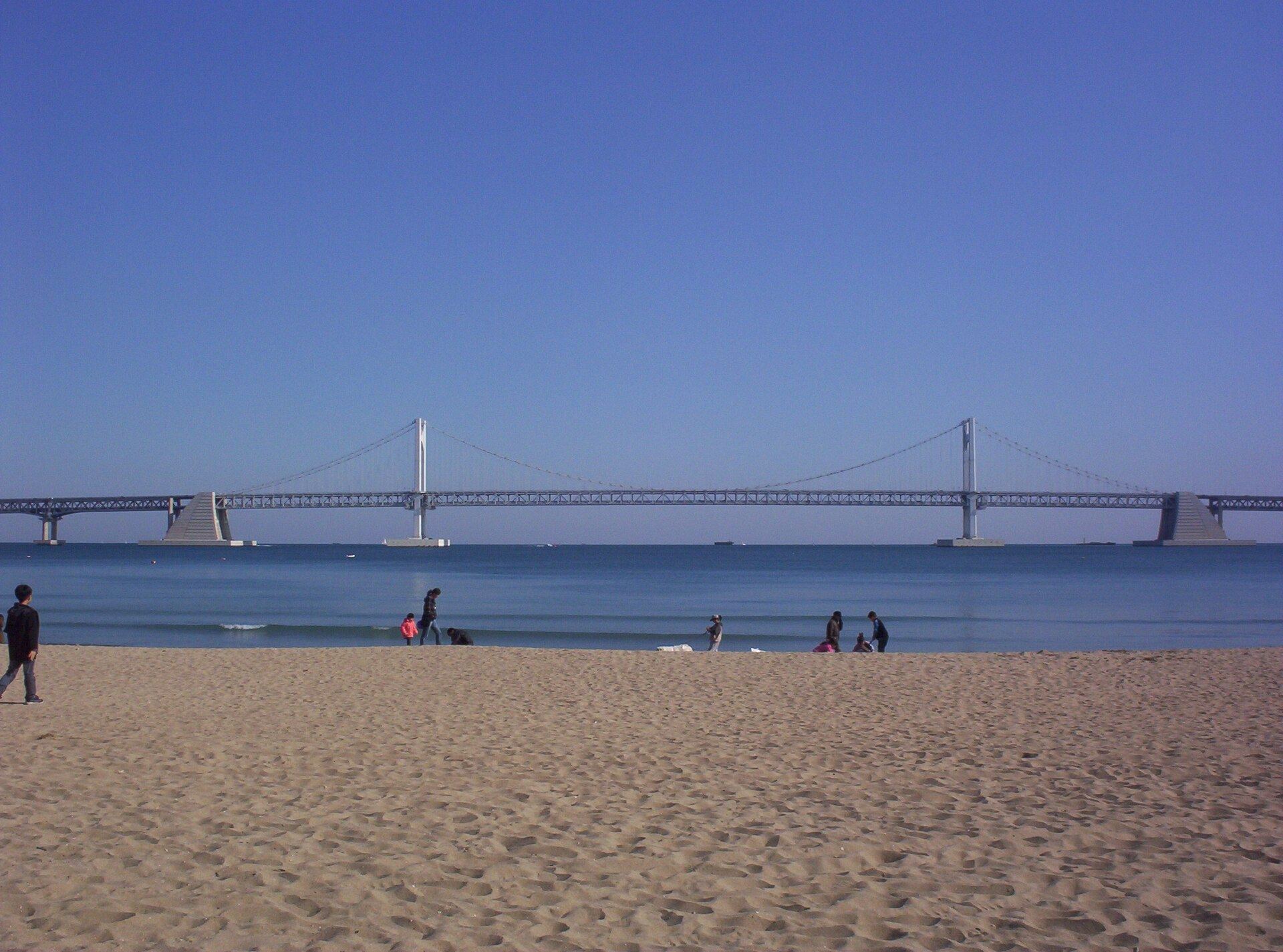
Near the beaches, Haeundae and Gwangalli both have plenty of Western restaurants, many with sea views or within walking distance of the sand. An Italian dinner in Gwangalli pairs well with an evening stroll along the beach before the bridge lights come on. If you are still choosing a base, our neighbourhood guide compares these areas.
Map apps popular in Korea, such as Naver Map or KakaoMap, work far better than international map apps for finding restaurants, checking walking routes and reading recent photos of dishes.
How Ordering and Paying Usually Work
Many restaurants in Korea now use a tablet on the table or a QR code to order, and menus often include photos, which makes ordering easy even without Korean. Where there is no tablet, there is often a small call button on the table to summon staff, so you do not need to wave or wait to catch someone's eye.
Water is usually free, sometimes self-service from a dispenser near the counter. Cutlery is often kept in a drawer built into the table or in a box on top. Tipping is not part of Korean dining culture, and you normally pay at the counter on your way out rather than at the table. Cards are widely accepted.
Popular spots can have queues, especially on weekends. Some use a tablet by the door where you enter your phone number to join a waiting list, which can be tricky with a foreign number, so arriving a little before typical meal times helps. Many restaurants also take a break between lunch and dinner service, so check hours on a map app before heading out in mid-afternoon.
Tips for Dining Solo
Eating alone is completely normal in Korea, and Italian restaurants are a comfortable choice for it. Bar seating and small two-person tables are common, and nobody will think twice about a woman dining on her own. Lunchtime is especially relaxed, and some places offer lunch sets that make a single meal good value.
Busan's busy neighbourhoods feel lively and well lit in the evening, and the subway runs until around midnight. Taxis are plentiful, and the Kakao T app lets you book one with the destination already set, which avoids explaining addresses. After a long day of walking and a filling meal, heading back early to rest in your hotel is never a bad idea.
Tired after a long day of travel?
If a full day of walking around Busan has left you worn out, a quiet hour of women-only aroma body care in your hotel room is one way to end the day. TODAK is for women guests only, and our therapists are men who provide professional body care only. Please message us in advance — there is no deposit, and you pay in cash (Korean won) on the day.