In this guide
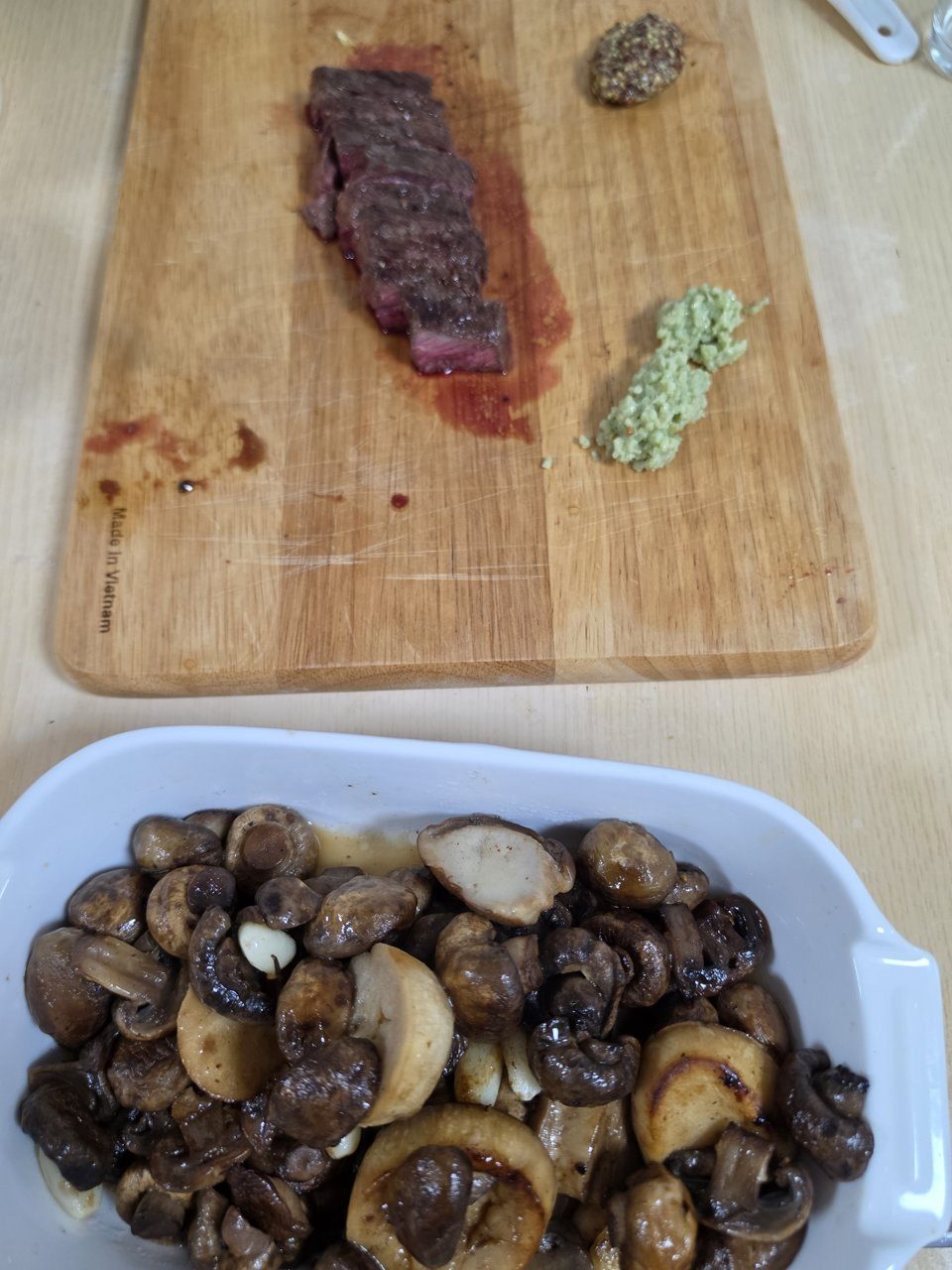
A board of sliced, pink-centred beef with a spoonful of grainy mustard on one side and a small mound of pale green wasabi on the other is a very Korean way to serve steak. If you order beef in Busan, whether at a steakhouse, a wine bar or a casual bistro, you may notice that the sauces look different from what you expect at home. This guide explains what you are likely to see on the plate, how Koreans tend to eat good beef, and how to order with confidence when you are dining on your own.
Why Wasabi and Mustard Instead of Steak Sauce
In many Korean restaurants, quality beef is served with simple condiments rather than a heavy gravy. The idea is to let the meat speak for itself. A small amount of wasabi, often freshly grated or a coarse paste, adds a clean sharpness that cuts through fat. Grainy mustard gives a gentle tang. Coarse salt, sometimes flavoured, is another common partner.
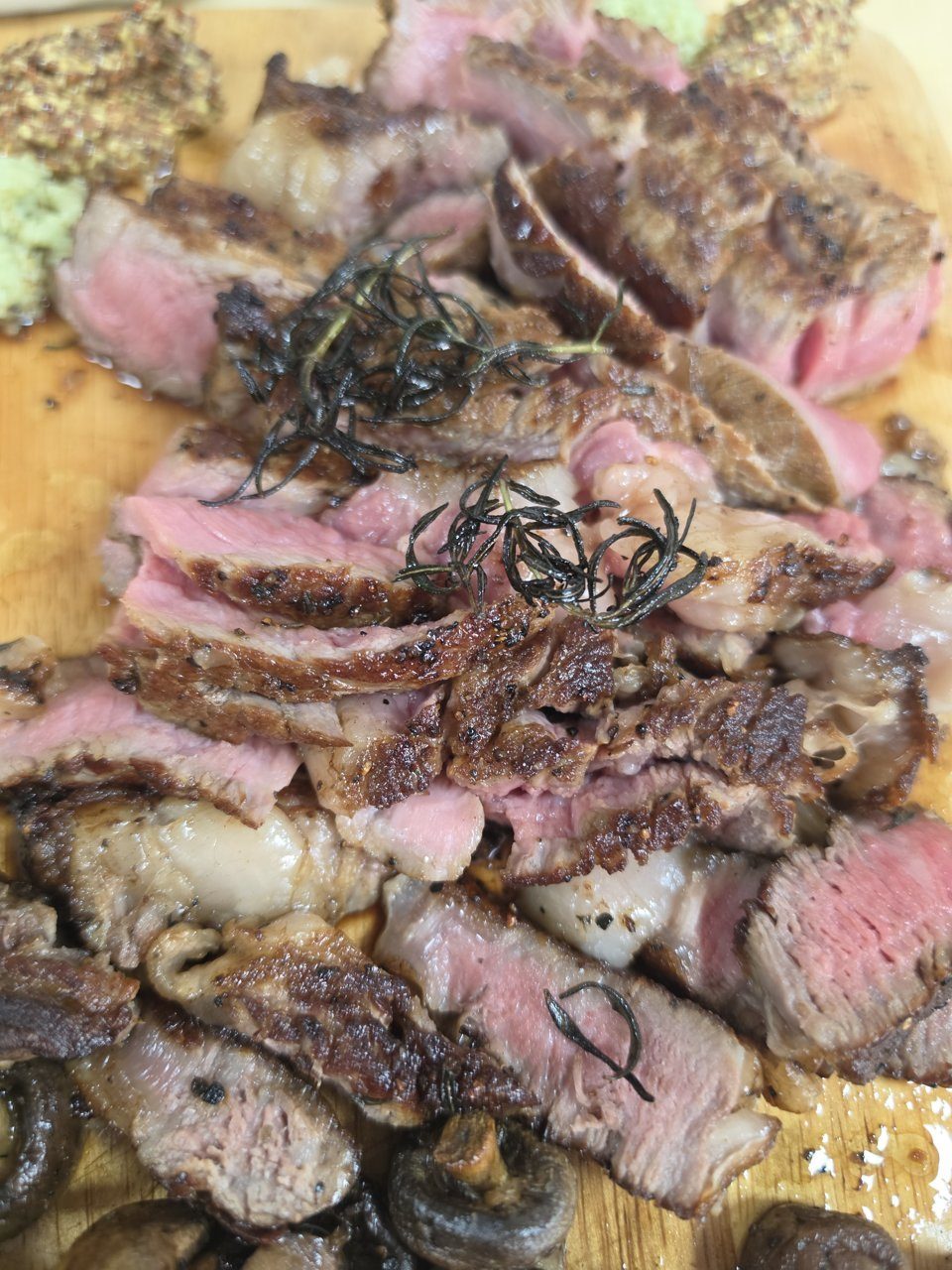
The usual method is to put a tiny dab of wasabi or mustard directly on a slice, not to mix it into a dipping sauce. Try one slice plain first, then one with each condiment, and see which you like best. Sliced steak served family-style on a board, like in these photos, is meant to be shared and picked at with chopsticks, so do not be surprised if no steak knife arrives.
Hanwoo, Imported Beef and What the Menu Means
Hanwoo is native Korean cattle, and it is prized for its rich marbling and deep flavour. It is usually more expensive than imported beef, which in Korea often comes from Australia or the United States. Menus will commonly state where the beef comes from, as restaurants are required to show the country of origin.
Korean beef is graded mainly by marbling, with 1++ as the top grade, followed by 1+, 1 and lower grades. A higher grade means more fat running through the meat, which makes it tender and buttery, but also very rich. If you prefer a leaner bite, a lower grade or a cut like sirloin or tenderloin may suit you better than a heavily marbled rib cut.
- Deungsim: sirloin, a popular all-round steak cut
- Ansim: tenderloin, lean and soft
- Chaekkeut: striploin area, beefy with some marbling
- Galbisal: rib meat, rich and well marbled
- Buchaesal: flat iron, tender with a fine grain
Ordering Doneness and Sides
Korean staff generally understand the English doneness words, often pronounced as loanwords: rare, medium-rare, medium and well-done. High-grade hanwoo is usually recommended at medium-rare or medium so the fat softens without the meat drying out. If you are unsure, it is fine to ask the staff what they suggest for that particular cut.
Common sides include roasted button or king oyster mushrooms, whole cloves of garlic cooked until soft, grilled vegetables and a simple salad. Crispy fried herbs such as rosemary on top, as in the second photo, add aroma and crunch. Some places also bring kimchi or pickles, which pair surprisingly well with rich beef.
If you would rather grill your own beef at the table, Korean barbecue is a different experience with its own etiquette, covered in our guide to Korean BBQ and jokbal in Busan. And if you are staying somewhere with a kitchen, see cooking steak in your Busan apartment for buying and searing tips.
Eating Beef Alone as a Woman Traveller
Solo dining is common in Korea, and Western-style steak restaurants and bistros usually sell single portions, unlike some barbecue places that ask for a minimum of two servings. Bar seating, where available, is a comfortable choice for one. Lunchtime often brings set menus that are good value and quieter than dinner.
Busan's busier dining areas, such as around Seomyeon, Haeundae and Gwangalli, are well lit and lively into the evening, and the subway makes getting back to your hotel straightforward. Taxis are plentiful, and ride-hailing apps work well if you want a door-to-door trip after dinner.
Making the Most of a Beef Dinner
A few small habits help a steak dinner feel relaxed. Book ahead for popular places on weekend evenings, since tables can fill quickly. Check whether the menu price is per 100 grams or per portion, because beef is often priced by weight. Ask for half portions or tasting plates if you want to compare two cuts without over-ordering.
Wine is a natural match, but Korean diners also enjoy beef with soju, beer or a light rice wine. If you are not drinking, sparkling water or barley tea is easy to find. After a rich meal and a long day of walking around the city, an early night back at your hotel is a simple way to be ready for tomorrow.
Tired after a long day of travel?
If a full day of walking around Busan has left you worn out, a quiet hour of women-only aroma body care in your hotel room is one way to end the day. TODAK is for women guests only, and our therapists are men who provide professional body care only. Please message us in advance — there is no deposit, and you pay in cash (Korean won) on the day.