In this guide
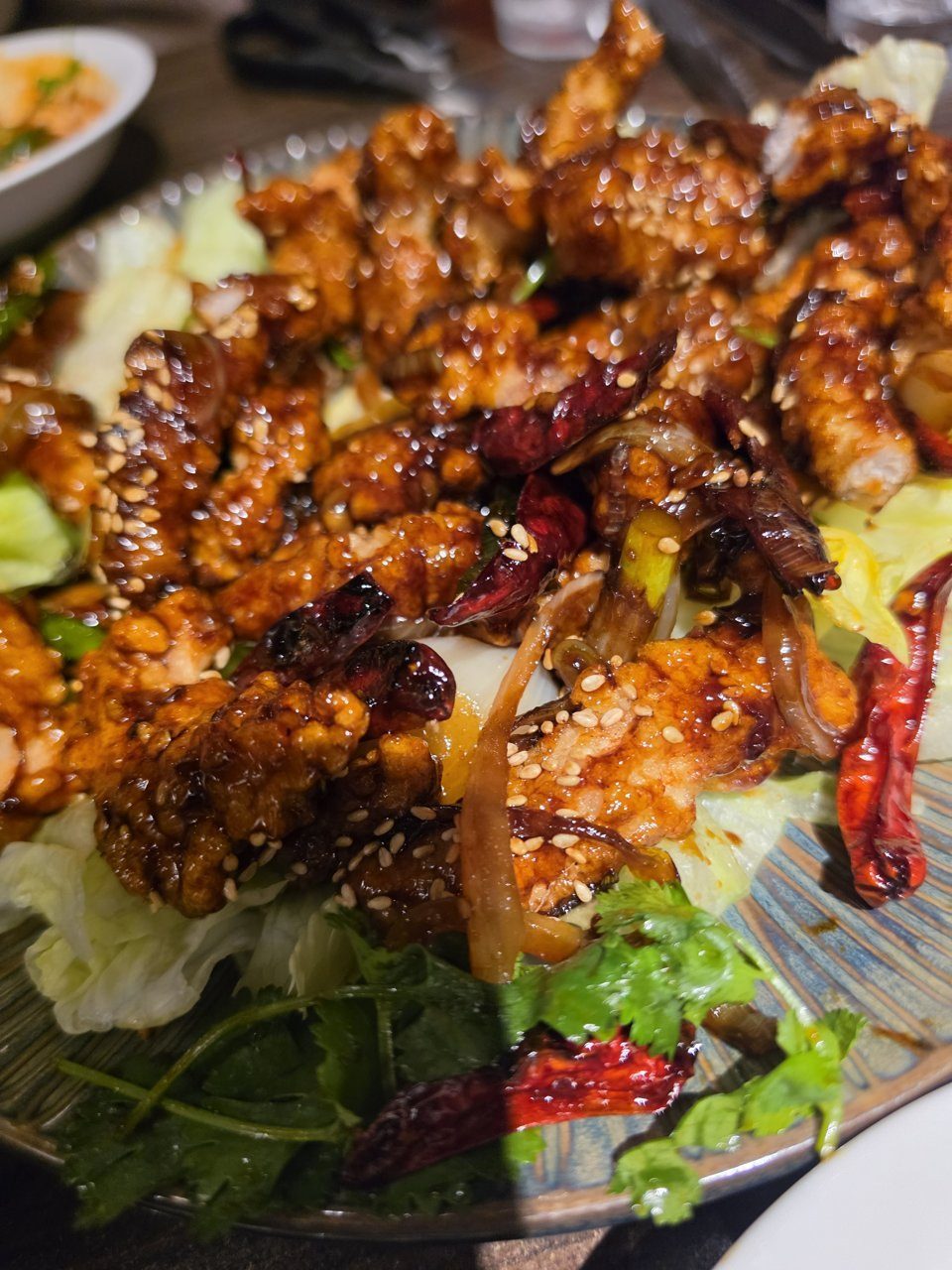
A plate of crisp chicken pieces, shiny with a dark sweet glaze, scattered with sesame seeds and dried red chilies and piled over cool lettuce and cilantro: this is the kind of dish that makes an evening in Busan. Fried chicken is one of the most loved casual meals in Korea, and in a city this size you are never far from a place that serves it.
This guide covers the main styles you will meet, how ordering usually works, and a few small tips for enjoying it on your own. For a wider look at local dishes, see What to Eat in Busan.
The Main Styles You Will See
Korean fried chicken is usually fried twice, which gives it a thin, crackly coating that stays crisp even under sauce. Menus vary, but most places build around a few familiar choices.
- Huraideu (plain fried): crisp and lightly seasoned, often served with salt or a dipping sauce.
- Yangnyeom: coated in a sticky sweet-and-spicy red sauce, the classic choice for first-timers.
- Ganjang (soy garlic): a glossy, savoury-sweet glaze, usually milder than yangnyeom.
- Banban (half and half): half of one style and half of another, ideal if you cannot decide.
- Spicy versions: anything labelled with chili or 'maeun' can be genuinely hot, so start gently.
The dish in the photo, with whole dried chilies, glaze and fresh greens underneath, sits close to the Korean-Chinese side of the family. Dishes like kkanpunggi (fried chicken tossed in a garlicky chili sauce) and yuringi (fried chicken in a tangy soy sauce over shredded lettuce) appear at Korean-Chinese restaurants alongside jjajangmyeon and sweet and sour pork. The dried chilies are mostly there for aroma; many people eat around them.
How Ordering Usually Works
At chicken shops, the standard order is a whole chicken, cut into pieces, in your chosen style. Portions are generous and meant for sharing, so a single order can be a lot for one person. Some places also offer boneless options or smaller sets, and many menus have pictures that make pointing easy.
Your chicken typically arrives with cubes of pickled white radish, which cut through the richness, and sometimes a small cabbage salad. Plastic gloves are often provided for eating with your hands, and a bin for bones may be on the table. Many restaurants now use tablet ordering at the table, and these often have an English option.
Korean-Chinese dishes like kkanpunggi are also usually sized for sharing. If you are alone, pairing a smaller noodle dish with a starter-sized portion, if offered, is a good way to taste more than one thing.
Chimaek and Where People Eat It
Chicken with beer is so common it has its own word, chimaek. Evenings are the busiest time, and chicken shops fill up with friends, couples and colleagues. Soft drinks are always available too, so there is no need to drink to join in.
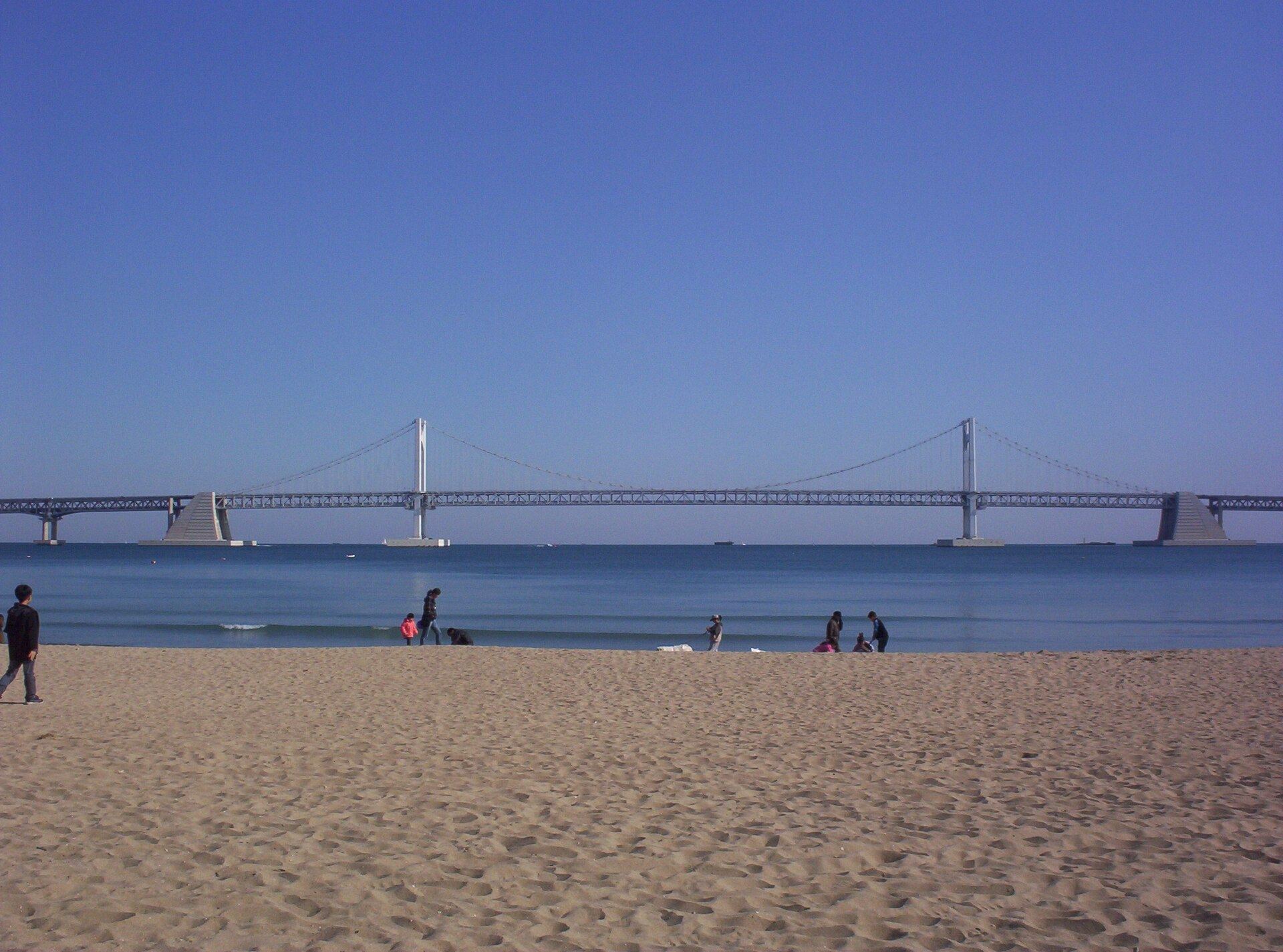
In Busan, lively streets around Seomyeon, the area behind Gwangalli Beach and the side streets of Haeundae all have plenty of casual restaurants within walking distance of subway stations. In warmer months, some people take chicken to the beach or a riverside park and eat outdoors, so check local rules on the spot and take your rubbish with you.
Delivery is huge in Korea, and many hotels are used to chicken arriving at the front desk. Delivery apps generally need a Korean phone number and payment setup, so the easiest option for visitors is often to ask the shop for takeaway, called 'pojang'.
Tips for Eating Solo
- Go a little earlier in the evening, when it is easier to get a table and the atmosphere is relaxed.
- If a whole chicken is too much, ask to take leftovers home; many places will pack them for you.
- Check the menu for spice warnings, and keep water or a cool drink nearby for chili-heavy dishes.
- Choose places on well-lit, busy streets near the subway so the walk back is simple.
- Carry a card and a little cash; cards are widely accepted, but cash can be handy at small spots.
Eating alone at a table is normal in Korea, and nobody will look twice. Choosing a spot close to where you are staying makes late meals easy, and if you are still deciding on a base, Where to Stay in Busan compares the main neighbourhoods.
Making It Part of Your Evening
Chicken works well as the last stop of a long day: a walk along the beach or through a market, then a crisp, saucy plate to share or to take back with you. After that, a quiet night resting in your hotel is a fine way to finish before another day of exploring.
Tired after a long day of travel?
If a full day of walking around Busan has left you worn out, a quiet hour of women-only aroma body care in your hotel room is one way to end the day. TODAK is for women guests only, and our therapists are men who provide professional body care only. Please message us in advance — there is no deposit, and you pay in cash (Korean won) on the day.